
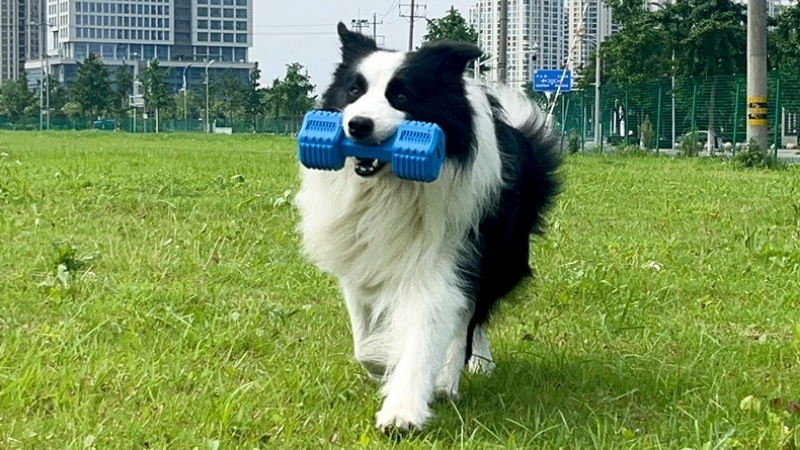
Many dogs have the habit of eating too quickly. Watching your pet gobble down food in a rush can’t help but cause concern. Thankfully, there is a solution: treat-dispensing toys. They help turn mealtime into a mentally engaging game for your dog. These interactive puzzle toys tap into your dog’s natural instincts, encouraging them to think, play, and slow down their eating pace.
Next, let’s explore every aspect of this wonderful toy together.
The Risks of Dog Fast Eating
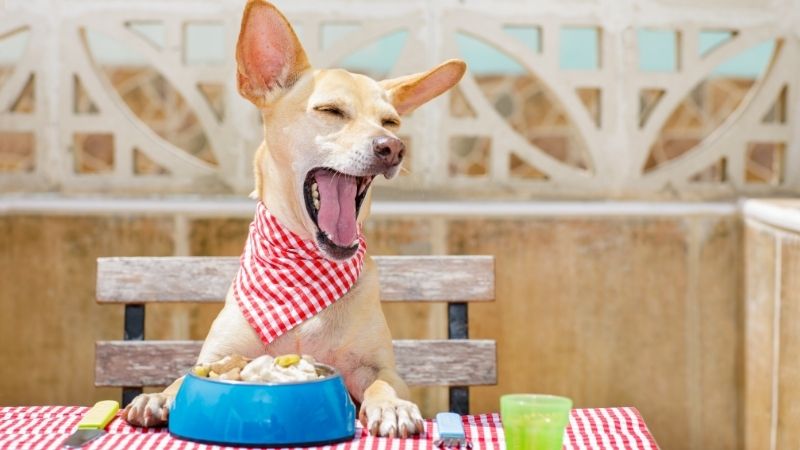
Many dog owners may not fully realize the serious health risks posed by rapid eating in dogs. Rapid ingestion of kibble or treats can lead to immediate dangers such as choking or gagging. More alarmingly, it significantly increases the risk of a life-threatening condition known as gastric dilatation-volvulus (GDV), where the stomach fills with air and twists upon itself.
Beyond these acute risks, fast eating also undermines the digestive process. Inadequate chewing of food can result in poor nutrient absorption, gastrointestinal discomfort, and indigestion.
What Are Treat-Dispensing Toys?
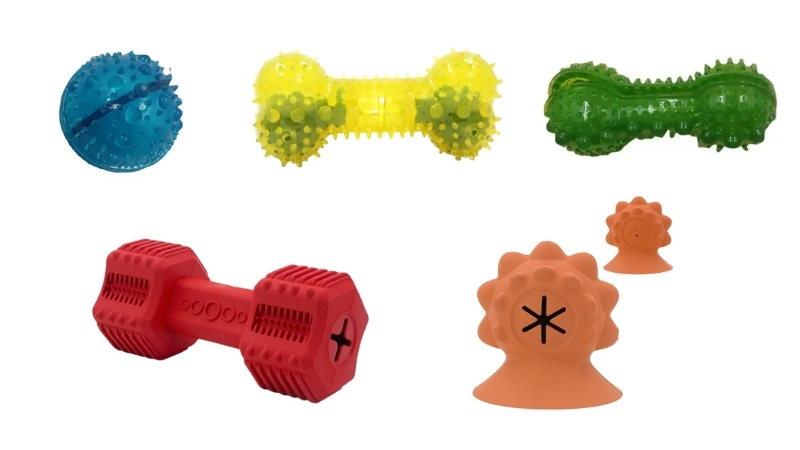
Treat-dispensing toys, also known as food-dispensing toys, are designed to slow down a dog’s eating pace while exercising their problem-solving skills. These toys are typically made of durable and easy-to-clean materials, and come in various shapes such as balls, bone-like designs, peanut shapes, dumbbell forms, and more.
The principle is simple: fill the toy with treats or kibble, and as your dog plays—by nudging, rolling, or chewing—the food gradually dispenses from the toy. This is not just a dog toy; it is also a powerful tool that promotes both physical and mental well-being of dogs.
Benefits of Treat-Dispensing Dog Toys
1. Slows Down Eating
As mentioned, these toys can slow down eating significantly. By making your dog to eat at a paced, deliberate rate, they promote better digestion and reduce risks associated with fast eating.
2. Mental Stimulation and Enrichment
Food dispensing toys provide mental stimulation by turning mealtime into a challenge. As your dog interacts with the toy, they engage in searching for food, which mimics natural foraging behavior and keeps their brain active.
3. Reduces Anxiety and Boredom
Boredom in dogs can lead to destructive behavior or separation anxiety. For dogs prone to stress or left alone at home during the day, a treat dispensing toy can capture their attention and keep them engaged. The focus required to retrieve treats serves as a beneficial way to alleviate anxiety.
4. Promotes Physical Activity
Unlike a static dog bowl, a dispensing toy moves, rolls, and responds to your dog’s actions. This encourages movement, which is especially great for indoor dogs or those with lower activity levels. It’s a fun way to keep your dog active and healthy.
5. Supports Training and Bonding
Dog training can be enhanced with treat toys. They reward patience and persistence, teaching your dog learns through play. Using a treat dispenser toy during training sessions strengthens the bond between you and your pup.
What Should You Put in a Dog Treat Dispenser?
You can fill a treat dispenser with a variety of foods, depending on your dog’s dietary needs and preferences.
- Dry Kibble: The standard and easiest option. Use your dog’s entire regular meal for a truly enriching breakfast or dinner.
- Mixed Kibble & Treats: Combine a base of regular kibble with a few high-value treats to increase motivation.
- Wet Food or Paté: Perfect for lick mats or hollow toys with a filler opening. Freeze it for a longer-lasting, soothing challenge that’s great for teething puppies or anxious dogs.
- Soft Treats & Peanut Butter: Use sparingly due to higher calorie content. Smear inside a toy or in crevices to create a rewarding “clean-up” task. Always use unsweetened, xylitol-free peanut butter.
- Healthy Snacks: Small pieces of carrot, apple, banana, or plain yogurt (frozen) can be excellent, low-calorie fillers.
Avoid items that are sticky, too large, or prone to spoiling if left inside the toy. Always supervise your dog the first few times to ensure they’re comfortable and safe.
How to Choose the Right Treat Dispensing Toy
Selecting the best treat dispensing toy involves considering your dog’s size, chewing style, and experience level.
Match the Toy to Your Dog’s Size and Chewing Style
For heavy chewers, opt for durable rubber toys designed to withstand strong jaws. Softer options may work for gentler dogs or puppies. Ensure the toy isn’t too small or too large for your dog’s mouth.
Consider Difficulty Level
If your dog is new to puzzle toys, start with an easy-to-use model that dispenses food freely. As your dog gets the hang of it, you can introduce more challenging toys.
Ease of Cleaning
Look for toys that are designed to be easy to clean—dishwasher-safe or with few crevices. Hygiene is important to prevent bacterial buildup.
Material Safety
Ensure the toy is made from non-toxic, pet-safe materials. This is especially important if your dog chews toys aggressively.
Purpose
Decide if you need the toy for mealtime, dog training, or just occasional enrichment. Some toys are designed specifically to help your dog with separation anxiety, while others are meant for short play sessions.
FAQs
My dog gives up easily. What should I do?
Make the puzzle extremely easy at first. Show them how it works, use high-value treats, and even hold the toy to help them get the first few pieces. Praise success generously. Gradually increase the difficulty as they learn.
Can treat-dispensing toys help with weight management?
Yes, by controlling portions and slowing eating, they can prevent overeating and encourage slower, more mindful consumption.
Can I leave my dog alone with a treat dispenser toy?
It depends on the dog and the toy. Only leave your dog with a toy they have proven to use safely without destructive chewing. For long periods, choose very durable, appropriately sized toys and avoid those with small parts that could break off.
How often should I use a treat-dispensing toy?
They can be used daily, even for every meal. For variety, you can alternate between different toys or use them for one meal and a traditional bowl for another.
What if my dog loses interest?
Try different treats, adjust the difficulty, or use the toy intermittently to keep it novel and exciting.


 EN
EN  AR
AR  DE
DE  ES
ES  NL
NL  FR
FR  TR
TR  PL
PL  SV
SV  EL
EL  IT
IT