

High-energy dogs need toys that engage their minds, satisfy their instincts, and can withstand serious force and enthusiasm. The key is combination play—mixing physical exertion with mental work to truly tire them out. Here is a breakdown of the best dog toy categories and specific examples for high-energy breeds.
10 Best Toys for High Energy Dogs
1. Interactive Puzzle Toys
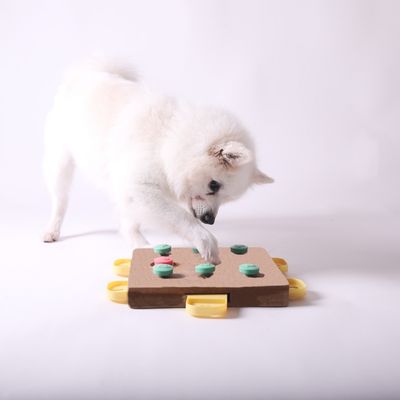
- Simple Explanation: Toys with compartments, sliders, or layers that require dogs to solve a problem to get treats.
- Key Benefits: Mentally exhausts them, slows down eating, reduces boredom-related behaviors.
- Examples: Sliding puzzle boards, multi-dial puzzles, hide-and-seek boxes.
2. Treat-Dispensing Toys
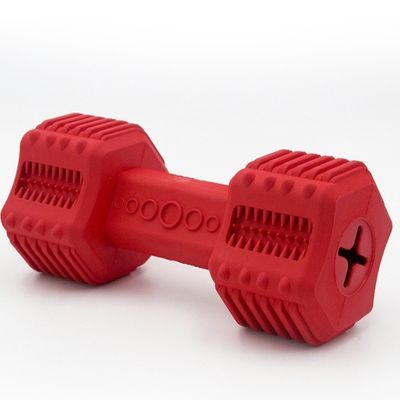
- Simple Explanation: Hollow toys (often weighted) that release kibble or treats as the dog bats and noses them around.
- Key Benefits: Provides sustained physical and mental activity, encourages movement, great for meal times.
- Examples: Kong Wobbler, Starmark treat ball, Heou dumbbell toy.
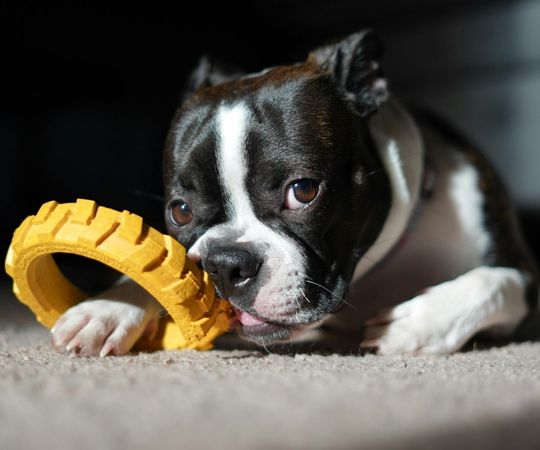
3. Durable Chew Toys
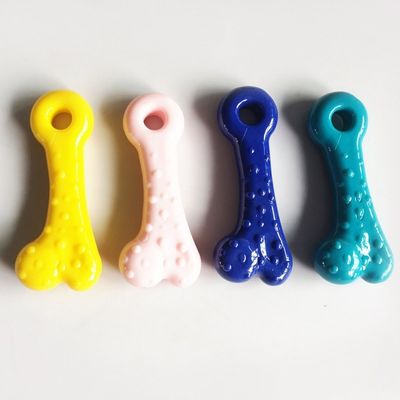
- Simple Explanation: Extremely tough dog toys designed for sustained, aggressive chewing.
- Key Benefits: Satisfies natural chewing urges, promotes dental health, provides a long-lasting, calming outlet for powerful chewers.
- Examples: Heou puppy bite toys, GoughNuts sticks, West Paw Toppls.
4. Fetch Toys
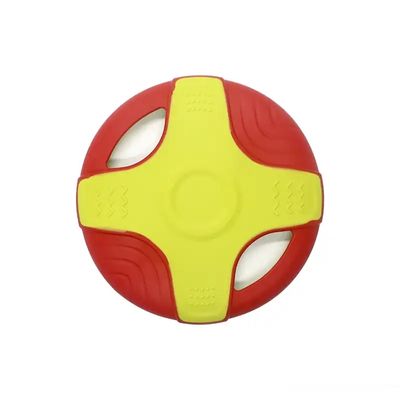
- Simple Explanation: Toys designed to be thrown repeatedly, encouraging running and retrieval.
- Key Benefits: Excellent physical exercise, burns energy quickly, reinforces recall.
- Examples: Chuckit! balls, rubber frisbees, durable rope balls.
5. Flirt Poles
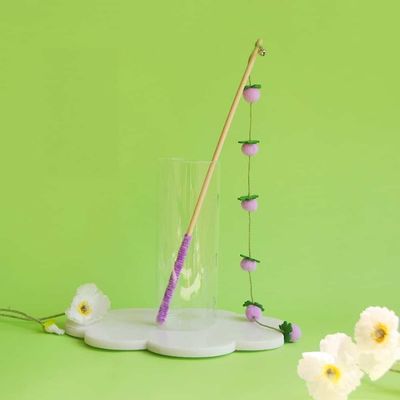
- Simple Explanation: A long pole with a lure (like a rope or toy) attached, simulating prey-like movements.
- Key Benefits: Taps into natural prey drive, allowing a safe outlet to hunt and chase. High-intensity sprinting and turning, builds impulse control, great for small spaces.
- Examples: Simple DIY versions, commercial “flirt” or “teaser” poles for dogs.
6. Tug Toys
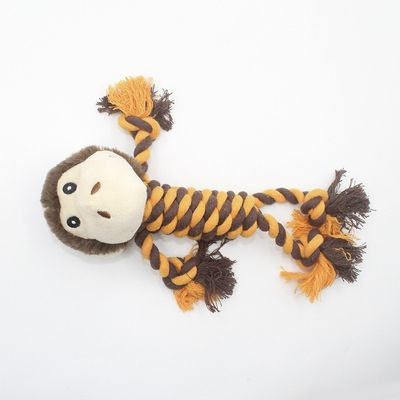
- Simple Explanation: Durable toys with handles or knots for a human and dog to pull against each other.
- Key Benefits: High-intensity strength and play, builds bonding and obedience, good indoor exercise.
- Examples: Bungee tug toys, Jute tug rings, thick woven rope toys.
7. Agility Toys
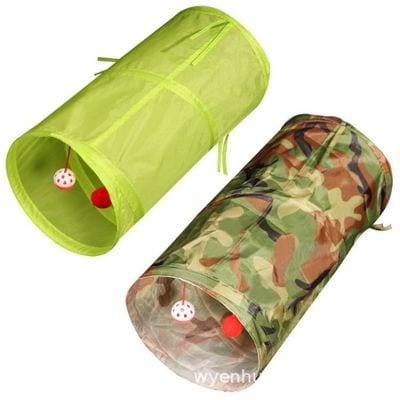
- Simple Explanation: Equipment for creating obstacle courses, like jumps, tunnels, and weave poles.
- Key Benefits: Full-body workout, enhances coordination and confidence, deepens the human-dog bond.
- Examples: Adjustable hurdle jumps, pop-up tunnels, portable weave poles.
8. Lick Mats
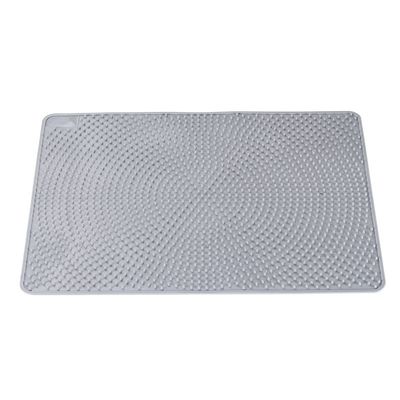
- Simple Explanation: Silicone mats with grooves or nubs onto which soft food (like yogurt or peanut butter) is spread.
- Key Benefits: Promotes relaxing, stress-reducing licking, slows dogs down, excellent for calming after intense excitement.
- Examples: Flat silicone mats, suction-cup versions for bath time or walls.
9. Scent Work Kits
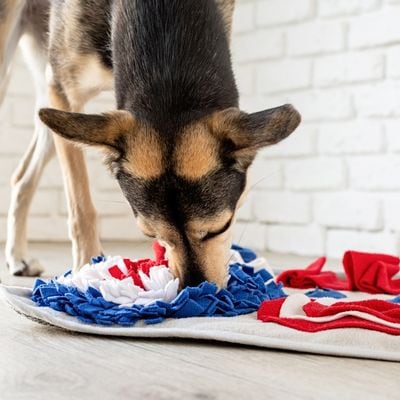
- Simple Explanation: Kits or setups that encourage dogs to use their powerful nose to find hidden treats or specific scents.
- Key Benefits: Mentally draining in a positive way, builds focus, taps into a natural instinct.
- Examples: Snuffle mats, hide-and-seek plush toys with pockets, introductory essential oil kits (like birch).
10. Water Toys
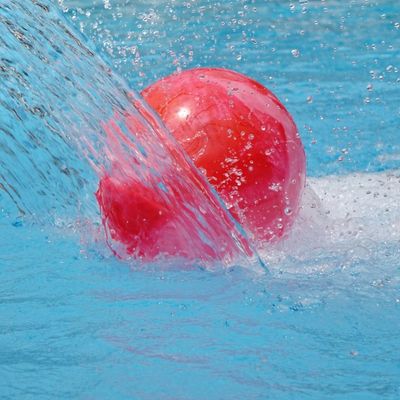
- Simple Explanation: Floating, fetching toys designed for use in pools, lakes, or the ocean.
- Key Benefits: Provides low-impact, high-resistance exercise, keeps dogs cool, adds novelty to play.
- Examples: Floating fetch rings, water bumper toys, splash-resistant balls.
Safety Tips for High-Energy Dogs
The above toys can keep your high-energy pet occupied, but never leave them completely unattended. Toys are essential for physical and mental stimulation, but the wrong toys can be dangerous. Here are some safety tips:
- Supervise Play: Always supervise your dog with new toys to see how they interact with them. No toy is truly indestructible.
- Choose for Size and Chew Style: Choosing the right toys is crucial for safety. Select toys that are appropriately sized for your dog (nothing small enough to be swallowed) and durable enough for their chewing habits. Power chewers need robust toys made of hard rubber.
- Regularly Inspect Toys: Check toys frequently for signs of wear, such as cracks, splintering, or pieces being chewed off. Discard any toy that is starting to break apart to prevent your dog from swallowing fragments.
- Incorporate Training: Use toys as rewards for obedience work. This blends mental and physical exercise perfectly.
- NO Sticks for Fetch: Never use sticks for fetching. They can splinter in a dog’s mouth or throat or cause impalement injuries. Use a safe, durable fetch toy instead.
- For Puppies: Prioritize teething relief. Offer safe chew toys designed for teething gums. Supervise closely, as sharp puppy teeth can shred toys quickly. Avoid overly hard toys that could damage developing teeth.
- For Senior Dogs: Choose soft toys that are gentle on aging teeth and jaws. Low-impact toys, like gentle puzzle feeders or soft plush toys for light carrying, are ideal.
Frequently Asked Questions (FAQs)
How to keep a high energy dog entertained?
Combine mental and physical exercise daily. Use puzzle toys for meals, engage in structured fetch or flirt pole sessions, and teach new tricks. Rotate toys to keep them novel. Provide a “job” like carrying a backpack on walks or practicing scent work to engage their brain and body.
How to calm down a super energetic dog?
First, ensure their physical and mental needs are met through sufficient exercise and training. Then, teach an “off switch” by rewarding calm behavior with treats. Use calming aids like a frozen Kong or a lick mat. Crate training can also promote settled behavior.
What to give a very hyper dog?
Give them appropriate outlets: durable chew toys, interactive puzzles, and a consistent routine of physical activity. Give them your time for training and interactive play. Give them mental challenges like scent work or obedience tasks. Never give punishment for energy; redirect it into positive, constructive behaviors.
Conclusion
Living with a high-energy dog is a joyful adventure that requires commitment and the right tools. By prioritizing both intense physical exertion and deep mental stimulation, you can successfully channel your bouncy dog’s energy into positive, healthy behaviors.
Remember, the most powerful “toy” is your engaged participation. Consistent training, interactive play, and mindful supervision build a strong bond and transform raw energy into focus and obedience.
 EN
EN  AR
AR  DE
DE  ES
ES