

If you have a dog who loves to chew, you surely know the struggle. That expensive plush toy? Destroyed in five minutes. That rubber ball? Chewed to pieces. It’s frustrating. But there’s a solution that might work for your powerful chewer: the nylon dog toy.
Nylon toys are well-known for their durability. In this article, we’ll explain what they are, their pros and cons, and how to use them safely. Let’s find out whether a nylon toy is the right choice for your puppy.
What is a Nylon Dog Toy?
Simply put, nylon is a very strong, hard plastic. Dog toy makers mold this plastic into fun shapes like bones, rings, and sticks under high heat. The result is a super durable toy meant for dogs who just won’t quit chewing. They are made to satisfy your dog’s natural need to chew, day after day.
The Good Stuff: Benefits of Nylon Toys
Why do so many people buy these hard toys? Here are several great benefits of nylon toys.
They Are Very Durable
Durability is their biggest advantage. For dogs that destroy everything else, a nylon toy can last for weeks or even months. This long-lasting quality makes them a great value for your money and gives your dog a reliable, hard chew toy.
They Help Clean Teeth
As your dog chews on the hard nylon, it scrapes against their teeth. This action helps scrub away plaque and tartar, which is the gunk that leads to bad breath and gum disease. Many nylon toys have special nubs and ridges designed to clean teeth even better, working like a toothbrush for your pup.
They Keep Your Dog Happy and Calm
Chewing is a natural stress reliever for dogs. It can help calm an anxious dog and keep a bored dog from getting into trouble (like chewing your shoes!). Giving your dog a nylon toy can provide them with mental stimulation and a peaceful activity.
They Are Safer Than Real Bones
Real bones can splinter into sharp pieces that can hurt your dog’s stomach or throat. They can also break your dog’s teeth. A high-quality nylon toy is a much safer way to let your dog enjoy the feeling of chewing a bone.
The Not-So-Good Stuff: Drawbacks and Risks
While nylon toys are great, they aren’t perfect. It’s important to know the risks.
They Can Be Too Hard
For some dogs with weaker teeth, the hardness of nylon can sometimes lead to broken teeth. Even for some aggressive chewers, the rough surface of nylon toys can scrape and irritate their gums, likely causing gum abrasions. In more severe cases, it may lead to punctures inside the mouth. These are painful injuries that require expensive trips to the veterinarian.
They Can Cause Choking
Even nylon isn’t indestructible. Over time, your dog’s chewing will wear the toy down. It might develop sharp edges, or small pieces might break off. Your dog might swallow these pieces and choke, or the pieces can get stuck in their belly, which is very dangerous.
They May Contain Harmful Materials
Nylon itself is generally considered non-toxic. However, the risks come from other sources. Some nylon toys, especially those made in facilities with poor oversight, may contain trace amounts of harmful chemicals like BPA, phthalates, or lead. Additionally, the flavor coatings and colored dyes used on some toys can cause stomach upset in dogs.
Types of Nylon Toys
There’s more than one kind of nylon toy! Here are the most common types:
The Classic Chew Bone

This is the standard, hard nylon bone. It comes in many sizes and shapes and is intended to satisfy a dog’s natural urge to chew, helping to clean teeth and reduce destructive behavior.
However, their extreme hardness also poses a significant risk of fracturing a dog’s teeth. Owners must supervise their pets closely, ensuring the dog is gnawing rather than trying to break off and swallow pieces.
The Composite Toy
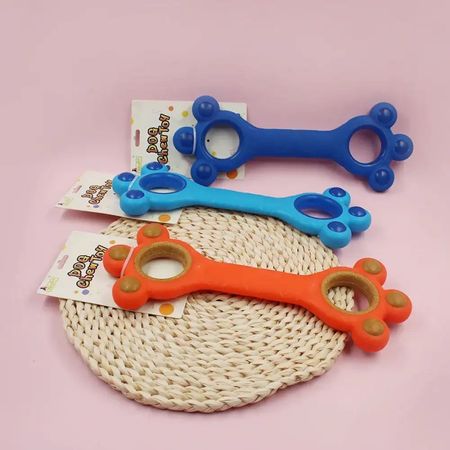
These toys mix hard nylon with other materials. For example, a chew toy that combines TPR, nylon, and wood plastic creates a multi-sensory toy. Your dog gets the soft mouthfeel of TPR, the durable challenge of nylon, and the unique texture of wood plastic. This variety can keep your dog engaged for longer than a toy made from just one material.
The Puzzle Toy
Some nylon toys are hollow or have little holes in them. You can stuff these with treats. Your dog then has to work to get the food out, which keeps their brain busy! The durable nylon construction ensures the toy can withstand persistent efforts from a determined dog.
How to Choose the Safest Toy
Picking the right toy is all about knowing your dog. Follow these simple tips:
- Get the Right Size: Choose a toy that is appropriate for your dog’s size. A toy that is too small is a choking hazard. A good rule is to pick a toy that is too big to fit entirely in your dog’s mouth.
- Match Their Chewing Style: Is your dog a gentle nibbler or a powerful chewer? Buy a toy that matches their strength. Most toy packages will have a guide (like “for gentle chewers”).
- Do the “Knee Test”: A simple safety test is to bang the toy gently against your knee. If it feels really hard and it hurts your knee, it might be too hard for your dog’s teeth.
- Choose Trustworthy Brands: Always choose products from reliable companies with relevant safety certifications, such as Heou. These brands have good reputations for making safe, high-quality pet products.
Safety Rules You Must Follow
To keep your dog safe, always remember these rules:
- Watch Them Chew: Never, ever leave your dog alone with a nylon chew toy. You need to be there to see if the toy starts to break.
- Check the Toy Frequently: Every time before you give the toy to your dog, look it over. Check for cracks, sharp points, or pieces that have been chewed off. If you see any damage, throw the toy away immediately.
- Replace Worn-Out Toys: A nylon toy doesn’t last forever. When it becomes small enough to swallow or is heavily worn down, it’s also time for a new one.
Frequently Asked Questions
Are nylon toys safe for dogs?
Nylon toys can be unsafe. Ingesting pieces can cause choking or stomach issues, and their hardness can break a dog’s teeth. While durable, they require close supervision.
What is the safest material for dog toys?
There is no single “safest” material, as any toy can be a risk if not used properly. However, some materials are recommended: natural rubber, food-grade materials, organic cotton rope, and so on.
When to throw out nylon dog toys?
You should throw a nylon toy away when it becomes small enough to be a choking hazard or if it splinters and develops sharp edges that could injure your dog’s mouth.
Is nylon a good material for dog toys?
Nylon’s durability is a plus, but its hardness is a significant drawback due to the risk of serious dental damage. Its suitability depends on the specific toy and your dog’s chewing habits.
How to wash nylon dog toys?
Clean them with warm, soapy water and a brush, then rinse thoroughly. Some may be dishwasher safe, but always check the manufacturer’s instructions.


 EN
EN  AR
AR  DE
DE  ES
ES