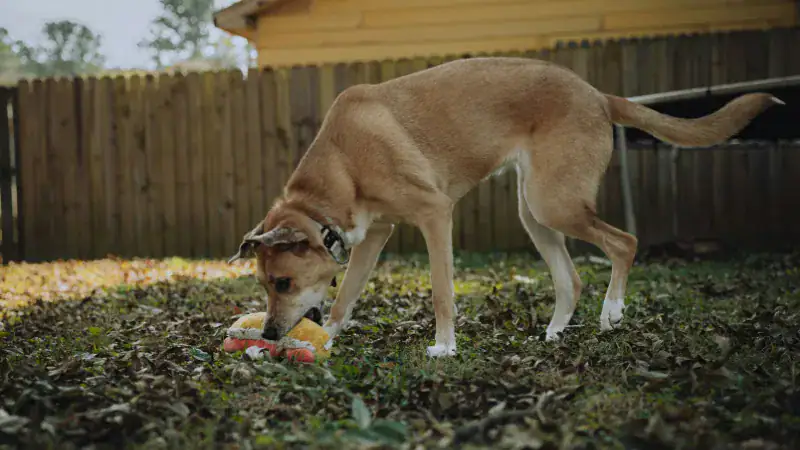
You set down a brand-new squeaky toy, your dog sniffs it excitedly, carries it to the corner of the couch — and promptly starts pawing at the cushions to “bury” it. Sound familiar?
This quirky little habit is one of the most common things dog owners notice, and honestly, it makes a lot more sense than you might think. In this post, we’ll dig into the several core reasons your dog buries their treasures and when you should actually be concerned about the habit.
It Goes Way Back — It’s a Survival Instinct
Long before dogs had ceramic food bowls and memory-foam beds, their wild ancestors had to work hard for every meal. Wild dogs and wolves would hunt, scavenge, and — crucially — hide whatever they couldn’t eat right away. Burying food or valuable items was essentially nature’s version of a refrigerator. It kept resources safe from other scavengers and guaranteed a “next meal” when hunting was slim.
That deeply rooted, instinctual behavior didn’t just disappear when dogs became domesticated. Even though your pup has never had to worry about where dinner is coming from, their canine brain is still wired to hoard and hide things they consider valuable. So when your dog buries their toys, they’re not being weird — they’re basically being a very good ancient scavenger.
“This Is Mine!” — Hello, Resource Guarding

Another big reason dogs bury or hide their toys is resource guarding. In simple terms, your dog sees their toys as theirs, and hiding them is a way to keep them safe — whether from other pets in the house, visiting dogs, or even you. It’s their way of saying, “I’m keeping this, thank you very much.”
This is especially common in multi-pet households, where competition over toys and treats can feel very real to your dog. If you’ve recently brought a new pet home and noticed your dog suddenly starts hiding more toys around, resource guarding is likely the culprit. It’s a natural instinct, though it’s worth keeping an eye on it if it becomes overly possessive or leads to tension between your animals.
Boredom Is a Powerful Thing
Sometimes, a dog buries toys simply because they have too much energy and not enough to do with it. Dogs — especially high-energy breeds — need both mental and physical stimulation to feel balanced. When they’re under-stimulated, they’ll invent their own entertainment. Digging and burying give them something purposeful to focus on, burning off that excess energy in the process.
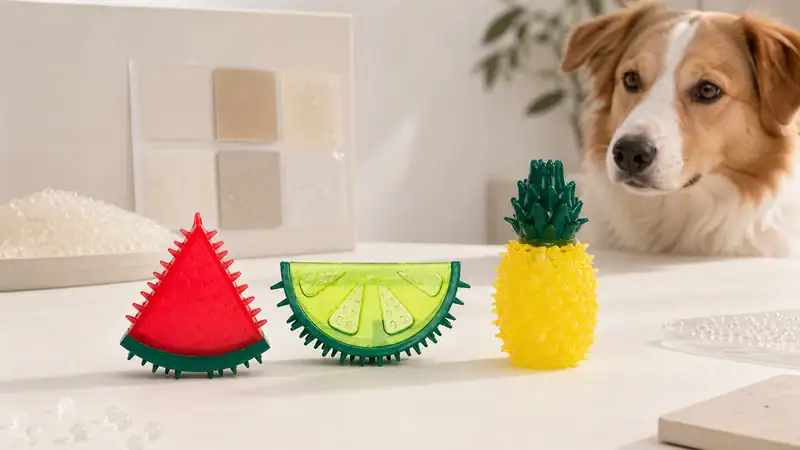
Think of it this way: if your dog has a mountain of toys around and nothing structured to do, burying one of them becomes a little self-created activity. It’s their version of a hobby. Regular exercise, interactive play sessions, and introducing puzzle toys or treat-dispensing puzzles can go a long way in redirecting this behavior into something more constructive.
Could It Be Anxiety?

Not all burying behavior is innocent fun. In some dogs, hiding toys and other belongings can be a sign of anxiety or stress. A dog that feels more in control of their environment may cope by stashing items — it gives them a sense of security in situations where they otherwise feel uncertain.
Signs to watch for alongside the burying include excessive panting, restlessness, destructive chewing, or changes in behavior around mealtime or when you leave the house. If your dog’s hiding habits seem driven by nervousness rather than playfulness, it’s worth paying attention to what might be triggering those feelings.
Is Your Dog Just a Natural-Born Digger?

Certain breeds are simply more prone to burying and digging than others. Terriers, Dachshunds, Beagles, and Basset Hounds were originally bred for hunting and burrowing — digging is practically in their DNA. For these dogs, the need to bury things isn’t just instinctual in a general sense; it’s a breed-specific instinct. If you have one of these natural diggers, managing the behavior rather than eliminating it entirely is often the more realistic goal.
What Even Is “Air Burying”?
Here’s a fun one — have you ever watched your dog frantically “dig” and “bury” something on a hard floor or on the couch, even though there’s no actual dirt involved? This is commonly known as air burying, and it’s exactly what it sounds like: going through all the motions of burying without any actual ground to do it in.
It’s completely normal and actually pretty adorable. It just means your dog’s instinct is so strong that it kicks in even when the conditions aren’t quite right. Their brain says bury it, and they comply — couch cushions and all.
When Should You Actually Be Concerned?
Most toy-burying behavior is completely harmless. However, there are a few situations where it’s worth consulting your vet or a professional dog trainer. If the hiding behavior is sudden and out of character, if it’s accompanied by anxiety symptoms, aggression, or behavioral issues, or if your dog is burying food and refusing to eat — these can sometimes signal an underlying medical or psychological issue that deserves a closer look.
A certified behaviorist or professional dog trainer can help you assess whether the behavior is rooted in instinct, boredom, or something that needs more targeted attention.
How to Manage Your Dog’s Burying Habits
The good news? In most cases, you don’t need to “fix” this behavior — just manage it. Here are a few approaches that work well:
- Increase mental stimulation with puzzle toys or treat-dispensing games that give your dog a healthy outlet for their instincts.
- Provide regular exercise to reduce excess energy that might otherwise fuel obsessive hiding habits.
- Limit the toy pile — having too many toys around can actually encourage more burying. Rotating toys keeps things fresh and reduces the urge to hoard.
- Use positive reinforcement to redirect your dog when you catch them mid-bury. Reward them for bringing toys back or engaging with you instead.
- Set boundaries around digging in the garden — designate a specific digging spot if you have a breed that simply must dig.
Frequently Asked Questions
Why does my dog bury toys but never dig them back up?
The act of burying is instinctual — the follow-through isn’t always. Your dog gets the satisfaction from the hiding itself, not necessarily from retrieving it later.
Should I stop my dog from burying things?
Not necessarily. It’s a natural behavior. Redirect it if it’s becoming destructive — like digging up your garden — but there’s no need to eliminate it entirely.
Does burying toys mean my dog has too many toys?
Possibly. A large toy pile can actually encourage hoarding. Try rotating toys to keep things fresh and reduce the urge to stash them away.