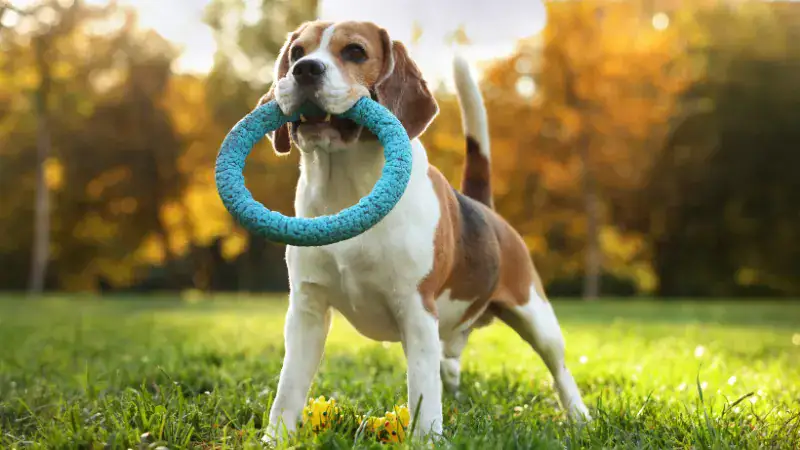
Dogs shaking their toys is a rapid, sometimes comical play behavior that leaves many pet owners both amused and bewildered.
There are multiple factors behind this behavior, the first of which is linked to their deeply ingrained genetic instincts.
In this blog, let’s explore the truth behind why your dogs shake their toys.
The Instinct Behind the Thrash: Prey Drive
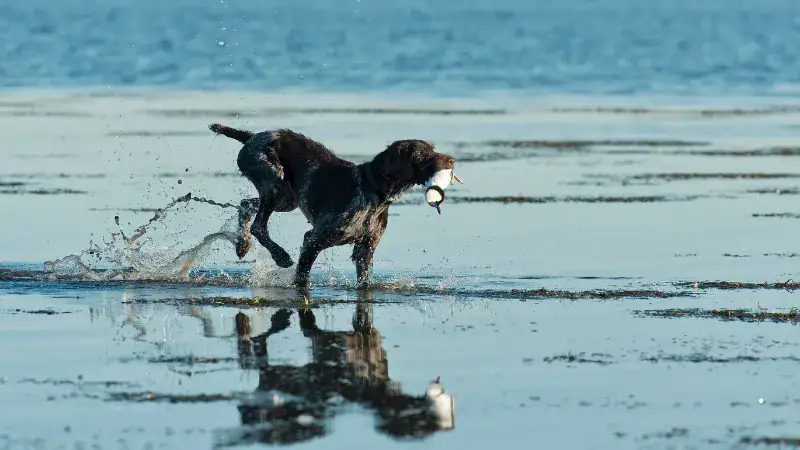
To fully grasp this phenomenon, we need to understand the concept of prey drive. This is the biological imperative that compels a canine to chase, grab, and bite.
When your dog is shaking a toy, they are basically playing an intense game of pretend. The toy mimics a small animal, and your dog is acting out the final, victorious moment of catching it.
In wild canines, the sequence of hunting involves searching, stalking, chasing, biting to grab, and finally, the kill bite. The intense shaking motion is an evolutionary adaptation specifically designed to snap the neck of small prey, ensuring a quick and efficient catch and kill. When a modern domestic engages in toy shaking, their brain releases a flood of dopamine and endorphins. This neural reward system reinforces their natural instincts, transforming a survival mechanic into a form of healthy play.
How Breed Affects Play Habits
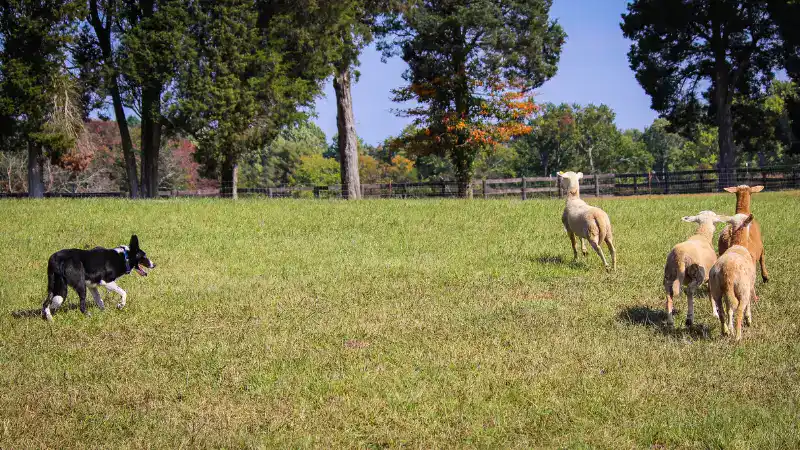
Not all dogs exhibit this behavior with the same intensity. A dog’s breed plays a massive role in their play habits and how frequently you might see them shaking toys. Breed tendencies dictate which parts of the predatory sequence are most exaggerated.
|
Breed Category
|
Shaking Tendency
|
Historical Purpose
|
Typical Example
|
|---|---|---|---|
|
Terriers
|
Very High
|
Bred to hunt and dispatch vermin
|
Jack Russell
|
|
Herding Dogs
|
Medium
|
Bred to chase and control movement
|
Border Collie
|
|
Retrievers
|
Low to Medium
|
Bred to gently carry birds
|
Golden Retriever
|
Terriers were specifically bred to hunt rats, badgers, and foxes. Because their job required them to dispatch pests quickly, their hunting instincts are heavily weighted toward the “grab and shake” part of the sequence. On the other hand, a retriever was bred to have a “soft mouth” to return waterfowl unharmed, meaning they might prefer a game of fetch over violently destroying a squeaker toy.
Emotional and Psychological Benefits
Beyond genetics, dogs use play as an emotional outlet. Modern dogs often lead sedentary lives while their humans are at work, which can lead to stress or anxiety.
Engaging in this instinctual behavior is a fantastic way for dogs to release built-up tension. It serves as an excellent physical activity that gets their heart rate up and tires out their muscles. When a dog gets into a deep play session, it acts as a stress-reliever, effectively preventing boredom and mitigating the risk of destructive tendencies around the house.
Furthermore, it provides vital mental stimulation. Figuring out how to pin down a slippery toy, finding the squeaker to “kill” it, and manipulating the object requires cognitive effort. Using toys designed to challenge them mentally and physically ensures that your dog remains sharp, engaged, and happy.
Frustration and Communication
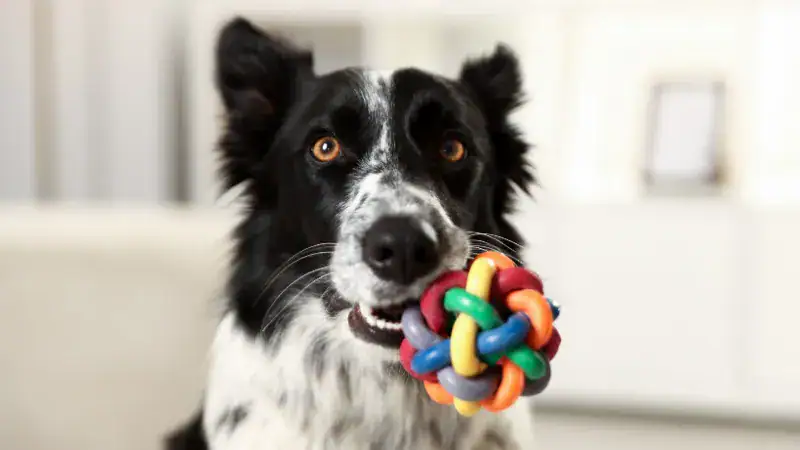
Sometimes, the vigorous shaking isn’t just about prey drive; it is a form of communication. If your dog brings a toy to your feet, nudges you, and then starts thrashing it wildly, they are likely trying to initiate interaction.
They are effectively showing off their “catch” and inviting you to join in the fun. In other scenarios, if a dog is feeling frustrated—perhaps they can’t reach a squirrel outside the window, or their dinner is taking too long—they might channel that pent-up energy into their toys. It is a safe displacement behavior, allowing them an energy release without getting into trouble.
Safety First: Choosing the Right Toys
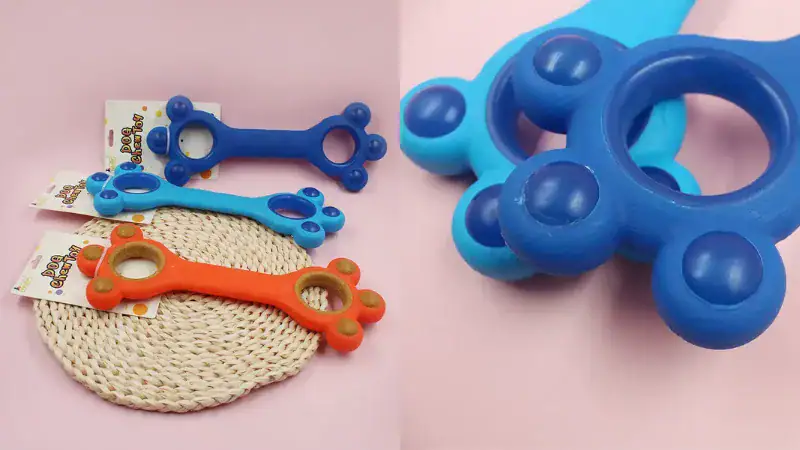
Because this behavior is deeply rooted and powerful, selecting suitable toys is paramount for your pet’s safety. Flimsy toys can quickly become a choke hazard if they are easily torn apart.
- Avoid Brittle Plastics: Hard plastics can shatter into sharp shards under the pressure of a dog’s jaws.
- Watch the Stuffing: Ingested plush stuffing can cause severe intestinal blockages that cost thousands of USD in veterinary bills.
- Remove Loose Parts: Eyes, buttons, or ribbons on toys are easily swallowed.
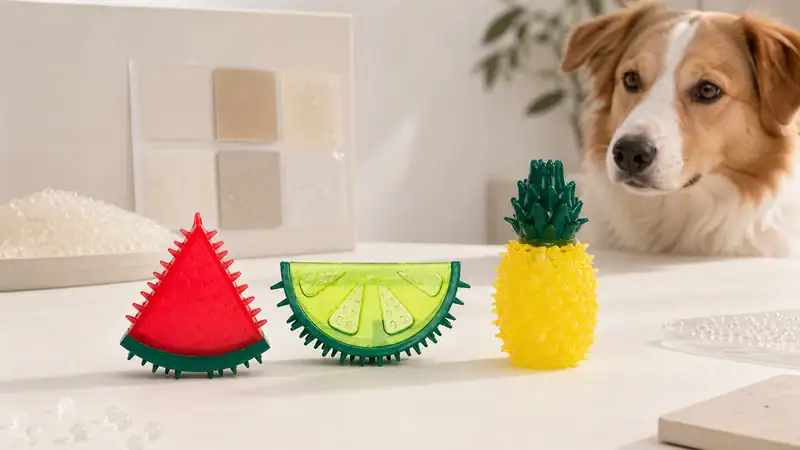
If you have a dog that loves to thrash, you must invest in durable options. Look for products made of heavy-duty rubber or reinforced ballistic nylon that are designed to withstand aggressive chewers. Providing sturdy toys ensures that their playtime remains safe and fulfilling.
Always supervise playtime, especially when introducing a new type of toy to your puppy. If you notice a toy breaking apart, remove it immediately. It is always better to discard a damaged item than risk a medical emergency caused by unexpected choking hazards.
Nurturing Their Nature
Ultimately, we want to provide toys that encourage our dogs to express their inner wolf safely. You should provide a variety of toys to cater to different moods—something to chew, something to fetch, and something to shake.
By rotating their toys, you keep your dog interested and engaged. A toy that has been hidden in a closet for a week suddenly becomes novel and exciting when reintroduced. This simple strategy maximizes the joy your dog enjoys from their playtime without requiring you to constantly buy new things.
FAQs
Is it completely normal for my dog to aggressively shake their toys?
Yes, this is a perfectly normal and healthy behavior for the vast majority of dogs. This action stems directly from their wild ancestors and their innate prey drive.
Should I ever stop or correct my dog when they are shaking a toy?
Generally, you should encourage this type of play rather than stopping it. The only time you must intervene is if the toy becomes a choking hazard. If you see the toy breaking apart, hear internal plastic cracking, or notice stuffing falling out, immediately trade the item for a high-value treat to safely remove it.
Can shaking toys make my dog more aggressive toward people or animals?
No, it will not. In fact, canine behaviorists generally agree that it has the exact opposite effect. The behavior channels frustration and excess excitement into a safe object, supporting a balanced, well-regulated dog.