
Many dog owners know the feeling: you bring home a new toy, and within minutes, it’s torn apart—fluff and scraps scattered across the floor. While this can be frustrating, the truth is that destroying toys is often completely normal dog behavior.
Dogs often use their mouths to explore, play, and release energy. That is why many dogs destroy toys by chewing, shaking, pulling, and ripping them apart. The key is to understand the reason behind the behavior so you can choose better toys and help your dog in a safe way.
Dogs Love to Chew
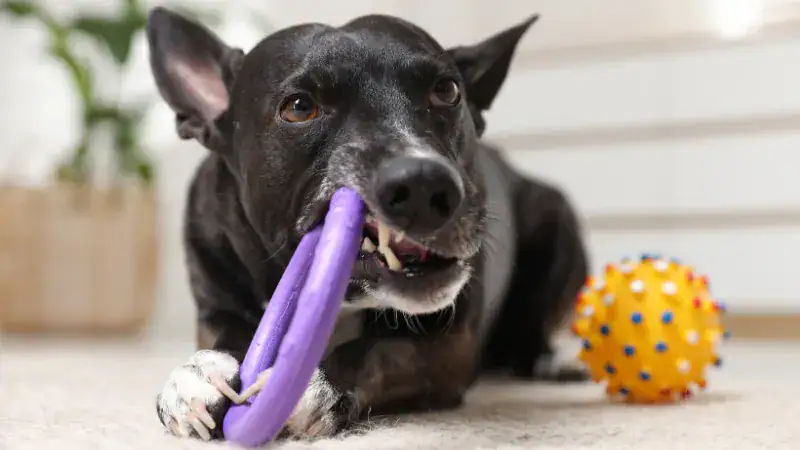
Most dogs simply love to chew. Chewing feels good, helps them explore, and gives them something to do. Some dogs are gentle with a dog toy, while others act like heavy chewers and want to break it down piece by piece.
This is especially true for a puppy. Pups chew when they are teething, and adult dogs chew because it is natural and enjoyable. So if your dog destroys his toys, it does not always mean something is wrong. Sometimes, chewing is just part of being a dog.
Boredom Is a Big Reason
One of the most common reasons dogs destroy their toys is boredom. If your dog does not get enough exercise, playtime, or mental stimulation, he may turn a toy into his entertainment.
A bored dog will often look for something active and rewarding to do. Tearing up a toy can become a fun job. This is why puzzle toys, interactive toys, and short training games can help. They keep your dog busy and give his brain something to work on.
Some Dogs Have More Energy
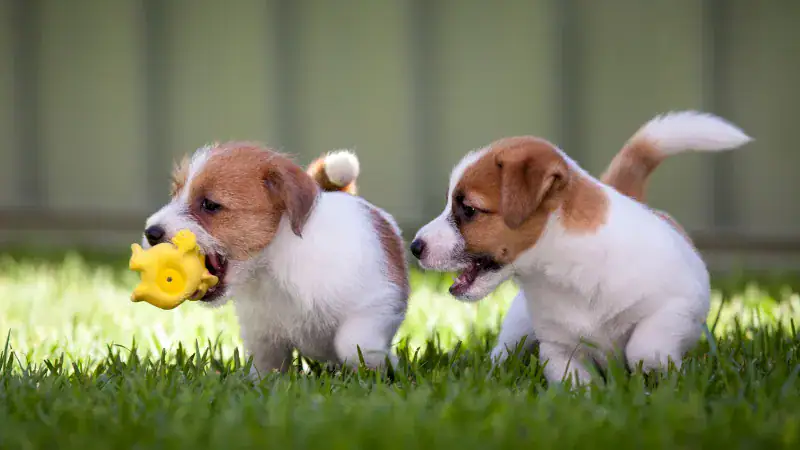
Some dog breeds and young dogs have a lot of energy. Breeds bred to hunt, chase, or dig—like Jack Russells, Dachshunds, or Huskies—often destroy toys more than calmer breeds. If that energy has nowhere to go, your dog may use it on whatever is in front of him, including his toys. In that case, toy destruction is often a sign that your dog needs more movement and more structured playtime.
Daily walks are helpful, but some dogs need more than that. Fetch, tug, training, scent games, and problem-solving games can all help. When dogs need both exercise and brain work, giving only one of those may not be enough.
Squeaky and Plush Toys Trigger Instincts
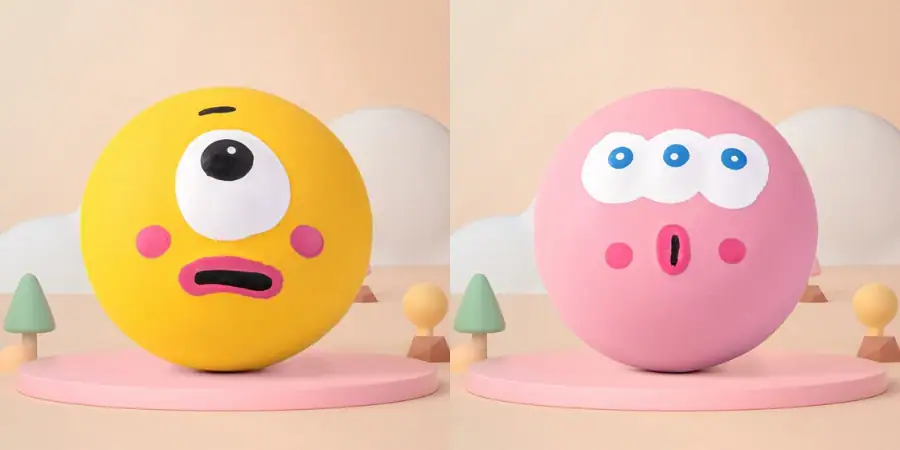
A squeaky toy or plush toy can be extra exciting for some dogs. The squeak, the soft texture, and the ability to shake it around can wake up a dog’s natural prey drive. To your dog, the toy may feel less like a cute object and more like something he wants to “catch.”
That is why many dogs quickly destroy a stuffed toy or any soft toy with stuffing inside. The ripping, shaking, and pulling are part of the fun. Your dog is not trying to upset you. He may just be following instinct.
Chewing Can Also Be About Stress
Not every dog destroys toys because he is excited or bored. Some dogs chew because it helps them calm down. If your dog chews more when left alone, during storms, or when the home routine changes, stress may be part of the reason.
In some cases, this can be linked to separation anxiety. Chewing gives a dog a way to cope and self-soothe. If your dog seems nervous, clingy, or destructive in other ways too, the problem may be bigger than just toys.
Not Every Toy Is Strong Enough
Sometimes the issue is simple: the toy is not made for your dog. A soft toy may be perfect for a gentle dog, but it may last only minutes with a strong chewer. That does not mean your dog is “bad.” It may just mean you need more durable dog chew toys.
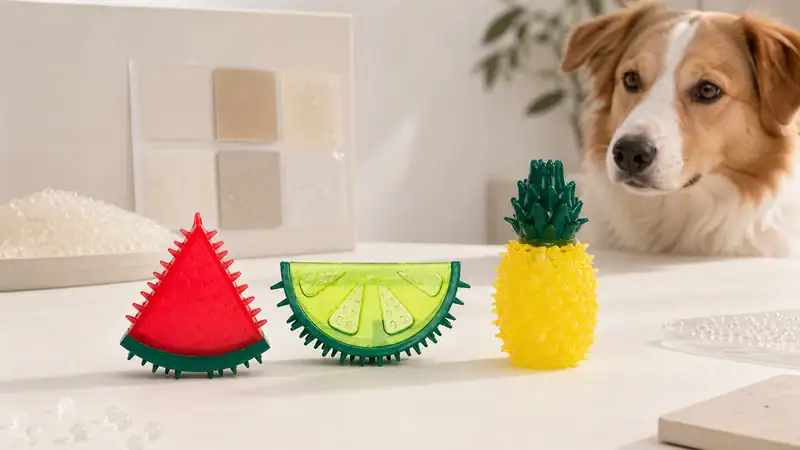
If your dog destroys soft toys very fast, try rubber toys or toys made for heavy chewers. Many dogs do better with stronger materials than with plush animals or thin squeakers. The right toy can make a big difference.
How to Choose Better Toys for Your Dog
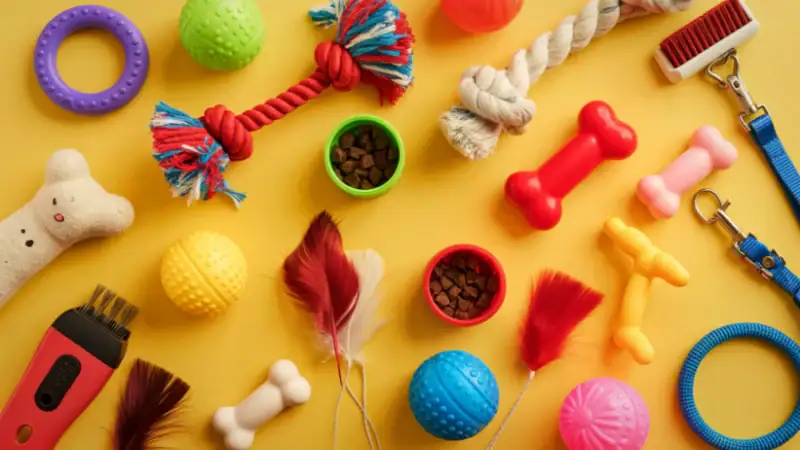
If your dog destroys toys often, it helps to match the toy to his chewing style. Some dogs enjoy carrying around a soft plush toy. Others need something much tougher and safer.
Look for:
- Durable dog toys made for strong chewers
- Rubber toys that are harder to rip apart
- Puzzle toys that offer mental work
- Interactive toys that keep your dog busy
- Toys that fit your dog’s size and strength
It is also smart to avoid toys that fall apart too easily. If your dog can break pieces off quickly, there is a risk that he could swallow them.
Always Supervise Damaged Toys
If your dog likes to destroy toys, it is important to supervise him during play, especially with a stuffed toy, plush toy, or squeaker toy. Once a toy starts breaking open, it can become unsafe.
Watch for:
- Loose stuffing
- Broken squeakers
- Small pieces that can be swallowed
- Frayed rope or torn fabric
If your dog starts to swallow parts of a toy, remove it right away. Safety always comes first.
How to Help Your Dog Stop Destroying Toys So Fast
You may not be able to stop the behavior completely, but you can manage it better. In many homes, the goal is not to stop chewing forever. The goal is to give your dog safer and better ways to chew, play, and stay busy.
Here are a few simple ways to help:
Give your dog more exercise
A tired dog is usually less likely to tear up toys out of boredom. More walks, fetch, or active games can help burn energy.
Add more mental stimulation
Training, sniffing games, and puzzle toys help keep your dog engaged. This can reduce boredom and destructive chewing.
Rotate toys
Do not leave every toy out all the time. Rotating them can make each new toy feel more exciting and help keep your dog interested.
Choose stronger toys
If your dog is a serious chewer, switch to indestructible dog toys instead of soft plush toys.
Let your dog chew safely
Chewing is natural. Instead of fighting it, give your dog safe outlets that match his chewing needs.
When to Ask for Help
It is normal for dogs to damage toys during play. But it may be time to look closer if:
- Your dog destroys every toy within minutes
- He tries to swallow toy pieces
- He also chews furniture, shoes, or walls
- He seems very stressed when alone
- The behavior is getting worse over time
If that sounds familiar, talking to a vet or dog trainer can help. They can tell you whether the cause is boredom, stress, lack of stimulation, teething, or something else.
FAQs
Do all dogs destroy their toys?
No, but many do. Some dogs are gentle and keep a toy for years. Others tear apart a new toy in five minutes. Both are normal. It mostly depends on your dog’s personality, breed, energy level, and how he was taught to play.
Should I take the toy away when my dog starts ripping it?
It depends. If the toy is falling apart and your dog might swallow pieces, take it away. If the toy is safe (like a tough rubber toy), let him continue. Ripping is part of the fun for many dogs.
Can destroying toys mean my dog is anxious?
Sometimes. If your dog only destroys toys when left alone, during loud noises, or after a change in routine, stress could be the reason. Look for other signs like pacing, panting, or hiding.