
Puppies are adorable, but a crying puppy can quickly turn those “aww” moments into sleepless nights and stress. In this guide, we’ll walk through why puppies cry, what you should check first, and simple, kind ways to help your puppy feel safe and calm.
Why Do Puppies Cry?
Before you can help your puppy stop crying, it helps to understand what’s going on for them.
Common reasons a puppy cries:
- They feel lonely or scared
Your puppy is not used to being left alone or sleeping alone. They’re used to constant company, so they may cry when you leave the room or when the lights go out at night. - They need to go to the bathroom
Young pups have very small bladders. They may cry because they need a toilet break and don’t know how to hold it yet. - They’re hungry or thirsty
A new puppy needs regular meals and access to fresh water. If they don’t get enough food and water, they may feel uncomfortable and cry. - They’re uncomfortable
They might be too hot, too cold, or lying on bedding that’s hard or damp. A simple change to soft bedding or a different spot can help them settle. - They’re unwell or in pain
Sometimes, a puppy cries because something is wrong physically. If your puppy is crying a lot and also seems very tired, refuses food, limps, or has vomiting or diarrhea, it’s important to speak to a vet.
Instead of seeing crying as “bad behavior,” try to see it as information. Your pup is trying to tell you something. Your goal is to listen, check their needs, and respond calmly.
First Things to Check When Your Puppy Cries
Before you try any training, run through this quick mental checklist. It solves the problem more often than you’d think!
- Potty Break: Take them to their potty spot immediately. Use a calm, boring voice. No play. Just business.
- Basic Needs: Is their water bowl full? Did they miss a meal? Are they shivering or too hot?
- Comfort Check: Is there a tag rubbing on their collar? Is the crate too big? Is their bedding clean?
- Are They Tired? Puppies need 18-20 hours of sleep a day. If they’ve been awake for over an hour, they likely need a nap, not more play.
Creating a Safe and Comforting Space

A big part of helping a puppy to stop crying is making them feel safe. The more secure they feel in their new home, the easier it is for them to relax, especially when they’re alone or in a crate.
Make a Safe Puppy Zone
Choose a place where your puppy will sleep and rest. This could be:
- A crate
- A playpen
- A small, puppy-proofed room
Set it up with:
- Soft bedding or a cosy dog bed
- One or two toys or a soft stuffed animal
- No wires, sharp edges, or small objects they could swallow
Use Scent, Sound, and Warmth
You can help your puppy feel less alone with simple tricks:
- Your scent: Place an old T-shirt or pillowcase that smells like you in their bed. Your smell is comforting.
- Soft sound: A white noise machine, a fan, or soft music can help cover outside noises and make them feel less alone.
- Gentle warmth: A warm (not hot) water bottle wrapped in a towel can remind them of snuggling with their litter.
These small details can make a big difference, especially during the first few nights.
Gentle Puppy Training
Dog training doesn’t only mean teaching “sit” and “stay.” From the first days, you are teaching your puppy how to handle being alone, how to settle, and how to feel secure. Gentle, positive training helps your puppy to stop crying over time.
Relieving Separation Anxiety
Many puppies cry when left alone, even for a minute. Instead of suddenly leaving your puppy for a long time, start small:
- Put your puppy in their crate or safe area with a chew or toy.
- Step out of the room for 30 seconds.
- Come back calmly before they get too upset.
- Slowly increase the time you’re gone as they cope better.
The idea is to help them get used to short periods of alone time. They’ll learn that you sometimes leave, but you always come back. This reduces the fear of being alone and helps prevent problems like separation anxiety.
Crate Training
Many owners like to crate train their pup because it helps with toilet training and gives the puppy a safe den. If you do use a crate, try to build a positive association with the crate. You can feed meals inside it, toss treats in for them to find, and let them explore it at their own pace.
Method (Go Slow, Positive Only):
- Introduce: Leave crate door open. Let dog explore freely. Toss treats/toys inside.
- Feed Meals inside crate (door open at first).
- Add a Cue: Say “kennel” or “crate” when they walk in to eat. Praise.
- Close Door Briefly: Shut door during a meal, open immediately after. Gradually extend time with a chew toy (30 sec → 5 min).
Reward Calm, Not Noise
It’s tempting to rush in and comfort your pup as soon as they cry. While it’s important not to ignore real needs, constantly running in whenever they cry can teach them that crying is the way to get attention.
Instead:
- Try to wait for a short pause in the crying before you go back.
- Praise and reward your puppy when they are quiet and relaxed.
- Keep greetings and returns low-key and calm.
This teaches your pup that calm behavior is what really works.
Keeping Your Puppy Tired (But Not Overtired)
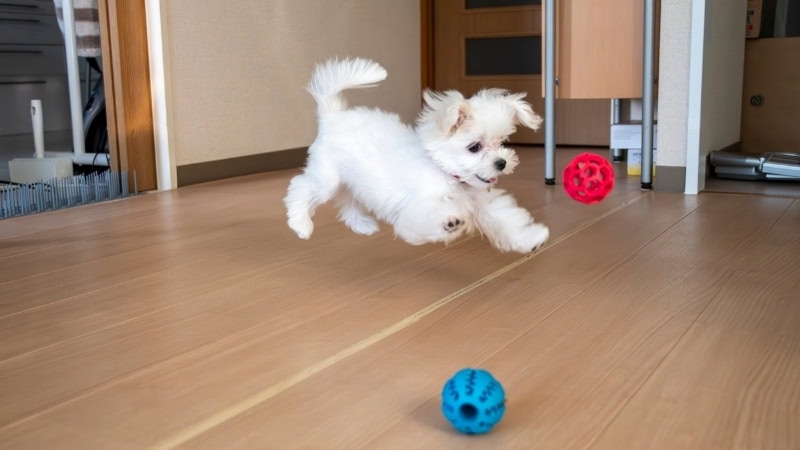
A puppy with a lot of energy and nothing to do will often cry, bark, or whine more. At the same time, an overtired puppy can also be cranky and noisy—just like a human toddler. The goal is balance.
Physical Exercise
Give your puppy:
- Short play sessions throughout the day
- Gentle games like fetch with a soft toy
- Safe exploration of your home or garden
Very young pups shouldn’t go on long walks, especially before vaccinations are complete, but they still need chances to move and play.
Mental Exercise
Mental stimulation tires puppies out in a healthier way than just running around. Try:
- Simple training (sit, down, come) with small treats
- Puzzle toys where they have to work for food
- Scent games, like hiding a treat under a cup
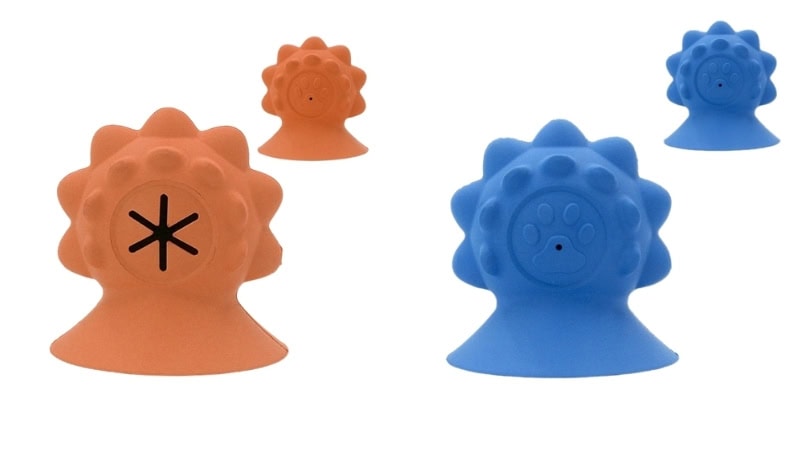
A puppy who uses their brain and body during the day is more likely to sleep well and cry less at night.
How to Handle Night-Time Crying
Night-time crying is one of the hardest parts of getting a puppy. You’re tired, and the sound can be heartbreaking. But what you do at night can shape your puppy’s habits for months.
Set a Simple Bedtime Routine
A routine helps your puppy understand that night-time is for sleeping. A basic routine might look like this:
- Short play or gentle training in the evening.
- Offer food and water, then remove the bowl if needed (ask your vet what’s best).
- A final toilet break right before bed so they don’t need a toilet immediately.
- Calm cuddles, then into the crate or bed with a soft toy or chew.
Try to do this in the same order every night. Puppies love predictability.
Where Should Your Puppy Sleep?
At first, many people find it easier to let the puppy sleep in their bedroom or nearby. This way:
- Your presence is comforting.
- You can hear if they genuinely need to go out.
- They don’t feel completely abandoned in a strange home.
Later, if you want them to sleep in a different room, you can slowly move their crate or bed further away once they are more settled.
Responding to Crying at Night
When your puppy cries at night:
- If it has been a few hours since the last toilet break, assume they might need to go. Take them out quietly, no play, just toilet, praise, and back to bed.
- If they have just been out and you know they’re comfortable, they may be protesting about being alone. In that case, try to give them a chance to settle themselves. Wait for a brief pause in the crying and keep your responses calm and short.
You don’t need to ignore your puppy completely, but avoid turning every cry into a long cuddle or play session. That will only teach them to cry more.
Common Mistakes New Puppy Owners Make
New puppy owners usually mean well, but some common habits can make crying worse instead of better.
- Comforting every little sound
Rushing in every time they whine teaches your puppy that noise brings you running. Try to respond thoughtfully, not automatically. - Leaving them alone too long, too soon
A very young pup is not ready to be alone for hours. Build up alone time in short sessions. - No clear routine
When days are chaotic and unpredictable, your puppy feels less secure. Simple routines around food, play, toilet, and sleep help them relax. - Using the crate as punishment
If you send your puppy to the crate when you’re angry, they will see it as a bad place. Instead, make it a safe den filled with good experiences. - Lack of patience
Remember that your puppy is a baby. Crying, accidents, and confusion are all part of the process. Progress may be slow, but with consistency it will happen.
FAQs
Is it normal for puppies to cry a lot at first?
Yes. It’s very normal for puppies to cry, especially when you first bring them home. They’re adjusting to a new environment and learning to be away from their mum and littermates.
Should I let my puppy “cry it out” in the crate?
It depends. You shouldn’t ignore a puppy for hours, especially if they might need a toilet break or be scared. But you also don’t want to rush in for every tiny whine. Try to balance: check real needs, keep night-time trips calm, and reward quiet moments.
Could my puppy have separation anxiety?
True separation anxiety is more than normal puppy whining. It usually shows as intense panic whenever they’re left alone, even for short times, and may include destructive behavior or nonstop barking. If you’re worried, talk to your vet or a qualified trainer.