An occasional sneeze from a dog is usually cute and completely normal. However, when that occasional sniffle turns into a continuous sneezing fit, it is natural to feel worried.
Dogs explore the world “nose-first.” This makes their nasal passages incredibly sensitive to their environment. Let’s break down the 7 most common reasons behind your dog’s sneezing. We will also help you understand exactly when it is time to call the veterinarian.
1. The “Play Sneeze”: A Happy Signal
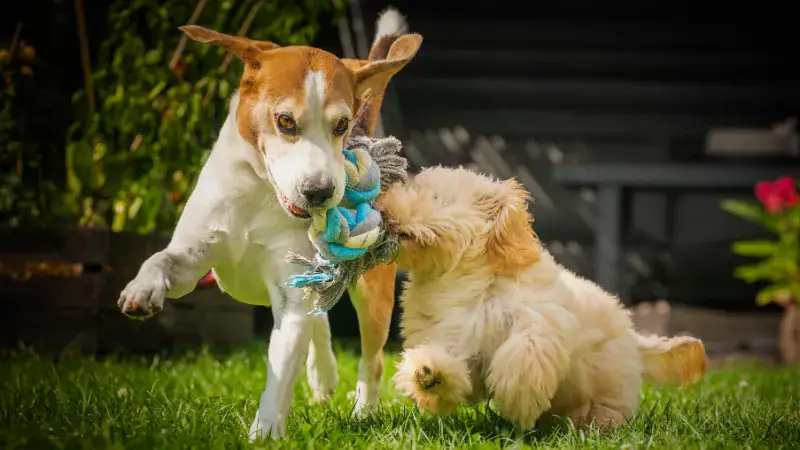
Did you know that dogs use sneezing to communicate with each other?
- A friendly message: When dogs wrestle or play roughly, they often let out short, shallow sneezes. If your dog sneezes during play, this is their way of saying, “Hey, we are just playing, and I am not being aggressive.”
- Pure excitement: You might also hear these little sneezes when you get home from work. Your dog is simply thrilled to see you.
- 💡 Steps you can take: This is a completely harmless and happy behavior. No veterinary care is needed. Just enjoy the playtime!
2. Household Environmental Irritants
Because a dog’s nose is constantly close to the ground and they frequently sniff the air, they easily inhale dust and chemicals.
- Common reasons: Strong perfumes, air fresheners, and harsh cleaning supplies are major culprits that cause sneezing. Even scented candles or incense can act as a severe irritant and bother a dog’s sensitive snout, causing intense irritation.
- 💡 Steps you can take: If your dog keeps sneezing every time you clean or spray perfume, the cause of the sneezing is obvious. Switch to pet-safe, unscented cleaning products. Always ensure your home is well-ventilated.
3. Seasonal Allergies
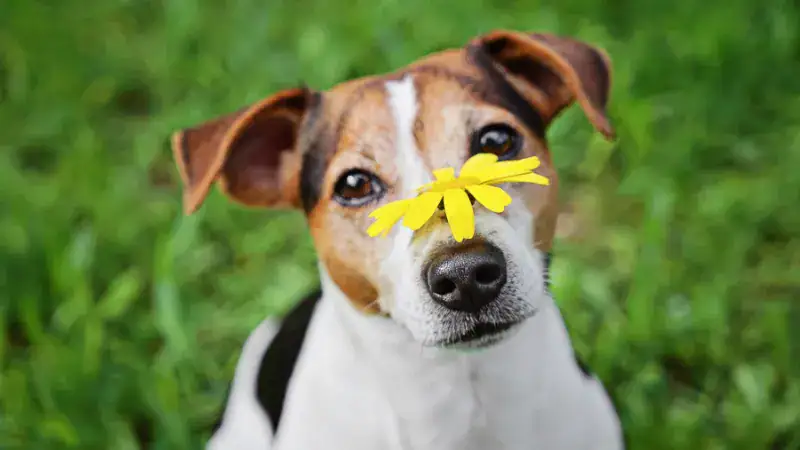
Just like humans, dogs can suffer from annoying seasonal allergies depending on the times of the year. They can react poorly to tree pollen, weed pollen, dust mites, or mold spores.
- How dog allergies differ: When humans have an allergy, we usually get a runny nose and sneeze. Dogs with allergies mostly suffer from extremely itchy skin and paw licking. However, watery eyes, mild sneezing and coughing still happen. Keep in mind that some specific dog breeds (like flat-faced breeds) might be more prone to sneezing.
- 💡 Steps you can take: Even though skin issues are more common, if you notice sneezing mostly during the spring or fall, allergies might be the root cause. Your vet can help with allergy management plans.
4. Foreign Objects: A Hidden Danger (High Alert!)
Dogs love to aggressively sniff the grass and dirt. Unfortunately, this means they can easily inhale a foreign object into their nasal cavity. This is a leading common cause of frequent sneezing in dogs and sudden distress.
- The dangerous Foxtail: Foxtails are barbed plant seeds found in tall grasses. If sniffed up, their barbs prevent them from falling out. Once stuck in their nose, they only travel deeper, causing extreme pain and tissue damage. Blades of grass or small pebbles can also get trapped.

- 🚨 When to act: If your dog suddenly starts sneezing uncontrollably, pawing frantically at their face, or rubbing their nose hard against the floor after a walk, you need to rush your dog to the vet, possibly an emergency vet, to safely remove the item.
5. Underlying Medical Conditions and Infections
Sometimes, persistent dog sneezing points to a deeper health issue that requires professional treatment.
- Infections: Bacterial and viral infections are major offenders. An upper respiratory infection (like Kennel Cough) or a fungal respiratory infection can cause long sneezing episodes. The main signs are excessive sneezing in dogs accompanied by a thick, yellow or green discharge from the nose.
- Severe Dental Disease: The roots of a dog’s upper teeth sit right below their nasal cavity. If an upper tooth rots, bacterial decay can eat through the bone and enter the nose. This causes a runny nose on one side, terribly bad breath, along with sneezing.
- Nasal Tumors: In rare cases for older dogs, very persistent sneezing paired with continuous bleeding from the nose or eyes could indicate a nasal tumor. If you spot these severe signs, call the vet right away.
6. Annoying Nasal Mites
Nasal mites (Pneumonyssoides caninum) are microscopic bugs that take up residence inside a dog’s nose and sinuses.
- The symptoms: Dogs catch them from nose-to-nose contact with infected dogs. These tiny bugs crawl around inside the nasal passages, causing intense itching. This will lead to sneezing repeatedly, head shaking, and sometimes nosebleeds.
- 💡 Steps you can take: Your vet can easily prescribe specific anti-parasitic medications to clear up a mite infestation.
7. The Terrifying “Reverse Sneezing”
Has your dog ever made a sudden, loud honking or snorting sound that makes them look like they are choking?
- What is it? This scary noise is often just reverse sneezing. Instead of pushing air out, the dog is rapidly and forcefully pulling air into their nose.
- The triggers: It usually happens when the back of the throat or the soft palate becomes irritated. Eating too fast, pulling hard on a leash, or sniffing a strong odor can trigger it.
- 💡 Steps you can take: While it sounds incredibly scary, it is almost always harmless and passes in seconds. You can help by gently stroking your dog’s throat. This encourages them to swallow and clears the irritation.
📋 Quick Reference Guide (When To Go to the Vet)
Context is everything when evaluating your dog’s sneezing. Use this table to understand when you should be concerned.
|
Symptom / Behavior
|
Most Likely Cause
|
Recommended Action
|
|---|---|---|
|
Occasional sneeze during play
|
Normal communication
|
None needed. Enjoy playtime!
|
|
Sneezing more than usual near dust
|
Mild environmental irritant
|
Monitor them; remove the irritant if possible.
|
|
Frequent sneezing fits
|
Foreign object lodged in nose
|
🚨 Take your dog to the vet immediately.
|
|
Discharge from the nose (green/yellow)
|
Bacterial or fungal infection
|
Schedule an appointment.
|
|
Sneezing with bleeding from nose or eyes
|
Severe infection or nasal tumor
|
🚨 Take your dog to the vet immediately.
|
|
Sneezing with bad breath/facial swelling
|
Advanced dental disease
|
Schedule an appointment.
|
Frequently Asked Questions (FAQs)
Q: Can my dog catch a cold from me?
A: No, dogs cannot catch the common human cold virus. However, dogs do get their own canine-specific viral infections. An upper respiratory infection like canine influenza can cause sneezing, coughing, and a runny nose. If your dog is showing cold-like symptoms, consult your vet.
Q: Why does my dog sneeze when lying on their back?
A: This is very common and completely normal. When your dog rolls onto their back, gravity causes normal nasal passage fluids to pool at the back of their throat. This tickles them and triggers a natural sneeze reflex.
Q: Can I give my dog human allergy medicine like Benadryl for sneezing?
A: Never give your dog human medication without speaking to your veterinarian first. While vets do sometimes recommend specific doses of antihistamines, relying on a vet for sneezing remedies is crucial. Giving the wrong dose can be highly toxic to your pet.
Q: How does a vet remove a foxtail from a dog’s nose?
A: Because the inside of a dog’s nose is highly sensitive, the vet will usually need to sedate your dog. Once the dog is asleep, the vet uses a special scope with a camera to locate the seed. They then use long forceps to carefully pull it out without causing further damage.
You Might Also Like
If this article helped you understand your dog’s sneezing, you will love these guides too: