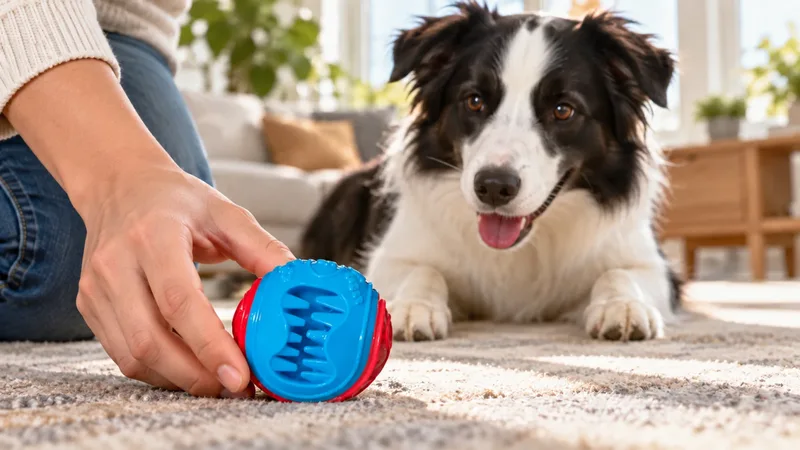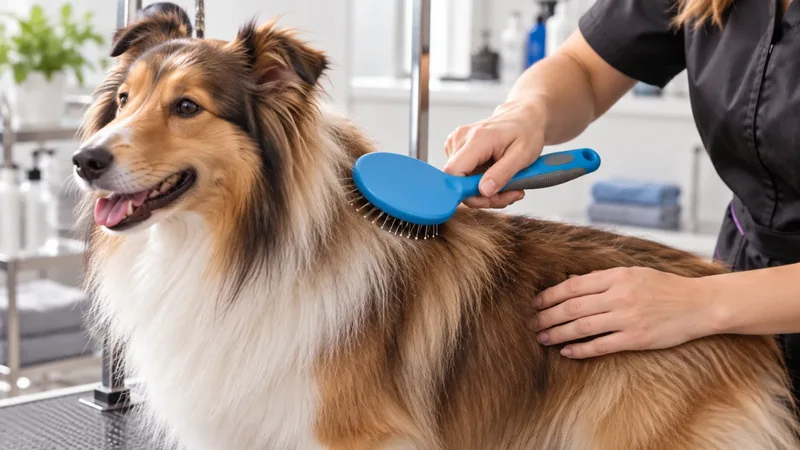
Surface texture and finish affect much more than appearance. On a molded pet toy, bowl, feeder housing or grooming tool, the finish influences grip, cleanability, logo visibility, perceived retail value and production consistency. For pet brands and sourcing teams, the best time to select a finish is before tooling begins, when material, draft angle, parting lines and decoration methods can still be coordinated.
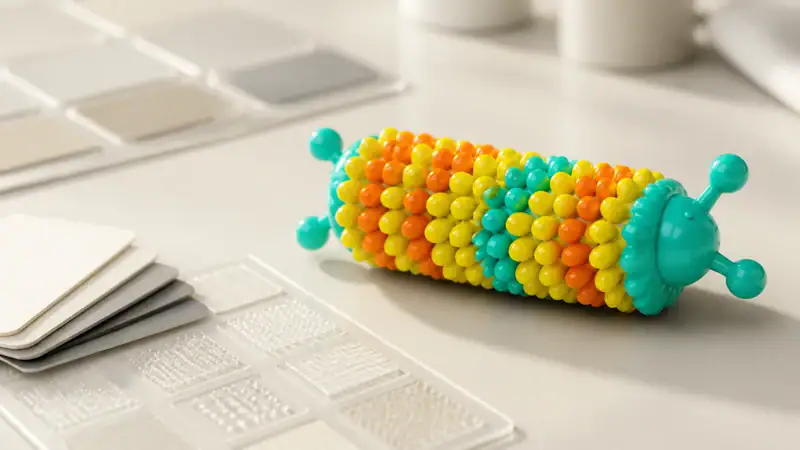
This guide explains the main molded pet product surface finishes, their commercial trade-offs and the information buyers should include in an OEM or ODM product brief.
Start with the product’s use case
A finish should solve a product requirement. A dog chew toy may need tactile grip and a surface that does not make tooth marks unnecessarily visible. A slow feeder needs accessible food-contact surfaces that owners can clean. A grooming brush handle should remain comfortable when wet. A smart feeder housing may need a refined appearance without making fingerprints, scratches or assembly marks too obvious.
Before selecting a texture, define:
- The product category and target pet
- Expected use intensity
- Areas touched by the owner or pet
- Food, water, saliva or grooming-product exposure
- Intended cleaning method
- Visible retail-facing surfaces
- Logo and control-marking locations
- Target price and sales channel
These details prevent a common sourcing problem: approving an attractive rendering and discovering later that the requested grain is difficult to release from the mold, unsuitable for the selected material or impractical to clean.
Fine matte and lightly textured finishes
Fine matte is a practical default for many injection molded pet products. It can reduce visible fingerprints, light scuffs and minor flow variations. It also creates a modern appearance that works well across toys, feeder housings, bowl stands and brush handles.
Lightly etched textures can provide additional grip while keeping the surface relatively easy to wipe. However, deeper texture is not automatically more premium. Texture depth changes how light reflects from the part, which can make the same color appear darker or less saturated. Deep grains may also retain hair, food residue or dirt.
For food- and water-related products, evaluate cleanability on the actual molded sample. A texture plaque can show appearance, but it cannot demonstrate how the complete geometry behaves during washing.
High-gloss molded surfaces
High gloss makes colors appear vivid and can create strong visual contrast. It may suit decorative inserts, display-facing panels, bowl stands or selected areas of an electronic product. Gloss can also support a sleek premium position when molding and polishing are well controlled.
The trade-off is cosmetic sensitivity. Gloss makes scratches, sink marks, weld lines, flow marks and polishing differences easier to see. Gate placement and internal rib design may become more important because surface defects are less easily hidden.
If a product uses high gloss, define which faces are critical, where minor marks are acceptable and how inspection lighting will be controlled. Review samples not only under factory lighting but also under the lighting used for e-commerce photography or retail display.
Patterned and functional textures
Leather grain, sand texture, stipple, geometric patterns, ribs and raised nubs can give a product recognizable tactile character. On a toy, texture may improve grip or interaction. On a brush handle, it can support control. On a feeder base, it may create a stronger visual identity without requiring an additional component.
These features have direct tooling implications. Texture depth and direction affect draft angle and mold release. Patterns close to shut-offs, parting lines or complex curves may be difficult to reproduce consistently. Raised features can also affect wall thickness and local stress.
Functional texture should be evaluated for cleaning and durability. Closely spaced ribs may collect residue. A pattern behind a molded logo may reduce legibility. Deep decorative details can make a food-contact surface less practical. The product brief should mark textured zones clearly on a drawing rather than relying on a general instruction such as “add grip.”

Soft-touch overmolding and coatings
A TPR or TPE overmold can improve grip and perceived value on pet grooming tools, travel products and electronic housings. It also allows two-color designs and a stronger tactile distinction between functional areas.
Overmolding adds engineering decisions. Buyers should define the substrate, soft-material hardness, bond area, color boundary and cleaning exposure. The geometry must support reliable bonding and consistent molding. If the soft section sits near a seam or moving component, tolerances require particular attention.
Soft-touch coatings can create a similar first impression, but they are not the same as an overmold. Coating adhesion, abrasion and resistance to repeated wiping should be evaluated. Testing should reflect hand oils, grooming residue, transport rubbing and the cleaning instructions planned for the final product.
How material changes the finish
The same texture does not look identical on PP, ABS, TPR, silicone or natural rubber. Base color, filler, hardness, translucency and molding conditions change gloss and color perception. Multi-material products should therefore be approved as complete assemblies.
If the product belongs to a coordinated collection, review the toy, bowl, brush and packaging together. A technically acceptable finish on one component may look inconsistent next to another material. Physical samples are more reliable than screen renderings for final approval.
What to include in an RFQ
Avoid subjective instructions such as “make it luxurious.” An inspection-ready finish brief should include:
- Product drawing or 3D file
- Proposed material and hardness where relevant
- Finish location marked by component
- Texture reference or physical sample
- Gloss expectation
- Pantone or approved color reference
- Logo method and position
- Critical cosmetic surfaces
- Cleaning conditions
- Estimated order quantity and target market
If the finish is linked to a competitor reference, explain which characteristic you like rather than requesting a direct copy.
Sample approval and production quality control
Approve a physical sample made in the intended material and finish before mass production. Check texture uniformity, gate appearance, parting lines, logo definition, handling feel, cleaning behavior and color under agreed lighting. HEOU’s pre-production sample evaluation guide provides a broader checklist for documenting the approved configuration.
The approved sample should become the golden sample. Add measurable or clearly illustrated cosmetic criteria to the inspection specification. A texture name alone is not an objective acceptance standard, especially when different mold makers or production batches may interpret it differently.
Buyers planning a new mold can use HEOU’s pet product development process to place finish approval before tooling release and mass-production sign-off.
Turn Your Finish Reference into a Production Standard with HEOU
A distinctive surface can help transform a standard pet product into a recognizable branded item—but only when it is defined for real manufacturing and real use. Contact HEOU with your drawing, material preference, finish reference and forecast quantity. Our OEM/ODM team can help assess practical finish options before mold development and sampling.
Frequently asked questions
Which molded finish is easiest to maintain?
Fine matte or a light texture often provides a useful balance between appearance and wipe-clean performance. The best option still depends on material, geometry and the type of residue expected.
Can texture be added after a mold is completed?
Sometimes, but mold rework can affect dimensions, release, timing and cost. Critical finish decisions should be approved before tooling whenever possible.
Can different materials match the same finish?
They can be developed toward a coordinated appearance, but they may not look identical. Approve physical samples of every visible material and component.