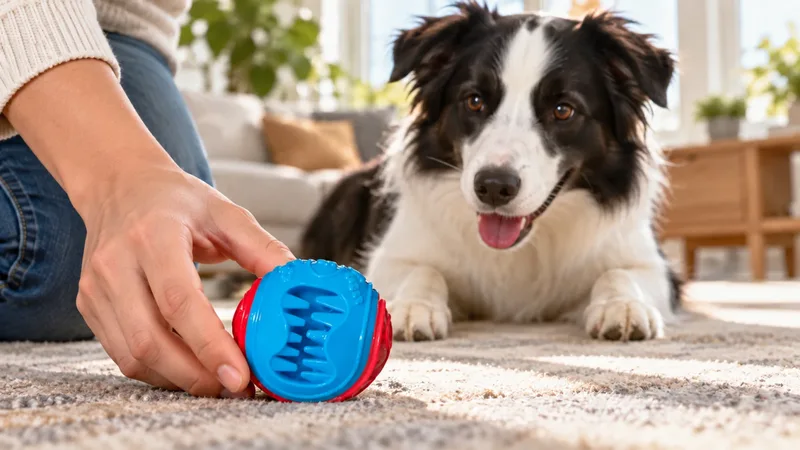
TPR and nylon offer very different directions for a dog toy range. TPR is flexible and can be molded into textured or hollow shapes. Nylon is rigid and can retain a firm chew shape. Neither material is automatically suitable for a heavy chewer: the finished toy’s geometry, wear behavior and intended dog matter more than the material name alone. For hard nylon chews, dental risk is a particularly important buying consideration.
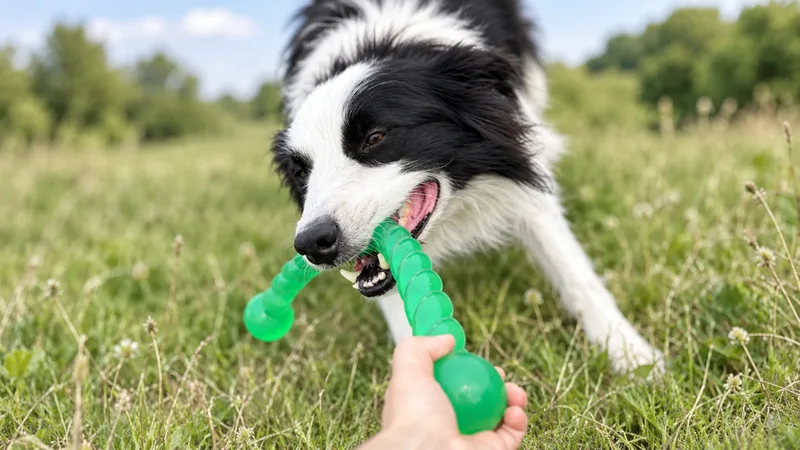
TPR vs. nylon at a glance
|
Buying question |
TPR |
Nylon |
|---|---|---|
|
How does it feel? |
Flexible, depending on the compound and hardness |
Rigid and comparatively hard |
|
What designs can it support? |
Textured, hollow, squeeze, fetch and enrichment shapes |
Firm molded chew shapes |
|
What is the main product risk? |
Tearing or pieces breaking off |
Excessive hardness and potential tooth injury |
|
What must be specified? |
Compound, hardness, wall thickness and tear performance |
Resin grade, geometry, surface finish and hardness |
|
What must be approved? |
A production-intent finished toy |
A production-intent finished toy, including review of dental concerns |
These are broad tendencies, not guarantees. Formulation and shape can make two toys sold under the same material label perform differently.
When TPR fits the concept
Thermoplastic rubber, or TPR, can provide give under pressure and can be molded with ribs, grips, openings and other details. This makes it an option for an interactive chew, treat-dispensing toy or flexible fetch product. Color choice and molding flexibility may also help a brand create a coordinated collection.
The main question is how the finished design behaves when chewed. Thin connections, deep notches, squeaker openings and abrupt changes in wall thickness can become failure points. A harder TPR compound does not automatically solve a weak shape, and a flexible compound does not guarantee that pieces will remain attached.
For an OEM brief, define the target hardness range, pet size, intended activity and acceptable wear. Ask for production-intent samples using the proposed compound and design. HEOU’s broader TPR, natural rubber and silicone comparison explains why the term “TPR” alone is not a complete performance specification.
When nylon raises a different question
Nylon can support a firm chew format that retains its shape. That characteristic may appear attractive for a product positioned around long use. Yet greater hardness introduces a separate risk. VCA Animal Hospitals advises against nylon chews in its guidance on fractured teeth, because hard, non-bending objects can damage dogs’ teeth.
A buyer considering a rigid nylon toy should therefore assess more than how long the toy lasts. Review the exact geometry, size, hardness, edges, likely wear and intended chewing behavior with qualified veterinary or product-safety input. Do not treat a resin specification or material test as proof that the finished toy is “tooth-safe” or suitable for every dog.
If a brand cannot support a safe and accurate use position for a proposed hard nylon chew, it should reconsider that design. Durability does not offset an unresolved dental concern.
Define “heavy chewer” before requesting samples
“Heavy chewer” is a useful retail phrase but a weak manufacturing specification. Tell the supplier what the product is expected to withstand and how it will be used:
- Target dog’s size and life stage
- Chewing style and expected intensity
- Chewing, fetch, treat dispensing or supervised interactive play
- Intended size range and any detachable features
- Acceptable surface wear and expected replacement point
- Planned packaging claims and destination markets
These details help the factory recommend a construction instead of selecting a material from a label. A toy intended mainly for supervised fetch should not automatically carry claims for prolonged chewing. Likewise, a material used in one successful shape may not work in a thinner or smaller version.
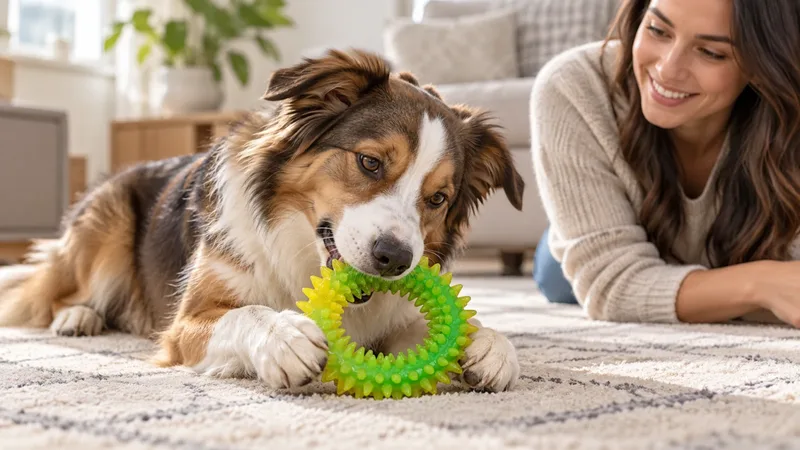
Test the whole toy, not a material swatch
Approve samples in the final planned size, shape, material and construction. Record the sample version and original condition, then inspect after controlled use for splits, detached pieces, sharp edges, unexpected deformation and wear around openings or joints. Test the size range separately where geometry changes significantly.
Agree on failure criteria before the tests begin. “Looks durable” is difficult to reproduce; “no detached pieces or sharp edges after the agreed test” gives buyers and the factory a clearer approval decision. If the compound, wall thickness or mold design changes, reassess the product. HEOU’s pre-production sample evaluation guide can help organize that review.
No chew toy can be described responsibly as indestructible or suitable for every dog. Product instructions should explain the intended use, supervision and replacement of damaged toys. VCA’s chew-toy selection guide advises removing a toy when a dog tears off pieces or bites hard enough to stress its teeth.
Match claims to evidence before ordering
Give the manufacturer your proposed product-page and packaging claims with the RFQ. If the toy is described as “for heavy chewers,” define what that means in your test plan. Avoid “indestructible,” “tooth-safe” or “safe for all dogs” unless the exact statement has a defensible basis for the finished product and intended markets.
Request material information, a production-intent sample, relevant finished-product testing and a written inspection plan. For toys with inserts, ropes or other attachments, include those components in the evaluation; HEOU’s guide to testing squeakers, ropes and small parts explains why connections can fail before the main body.
Frequently asked questions
Is nylon automatically better for aggressive chewers?
No. Its rigidity can help it retain a shape, but hard nylon chews raise dental concerns. Evaluate the finished product and use position rather than choosing nylon for durability alone.
Can TPR make a durable heavy-chewer toy?
Possibly, depending on the compound, geometry, dimensions and test results. A TPR label is not a durability guarantee.
Which material should a buyer sample first?
Start with the intended function and acceptable risk. A flexible design may justify a TPR sample. A rigid nylon concept requires particular attention to the veterinary warning about hard chews.
Develop the toy around its real use
Browse HEOU’s wholesale dog chew toy range for construction ideas. To discuss an OEM or ODM concept, contact HEOU with the target dog profile, reference design, expected quantity and planned claims. Request material options and production-intent samples before committing to bulk production.