
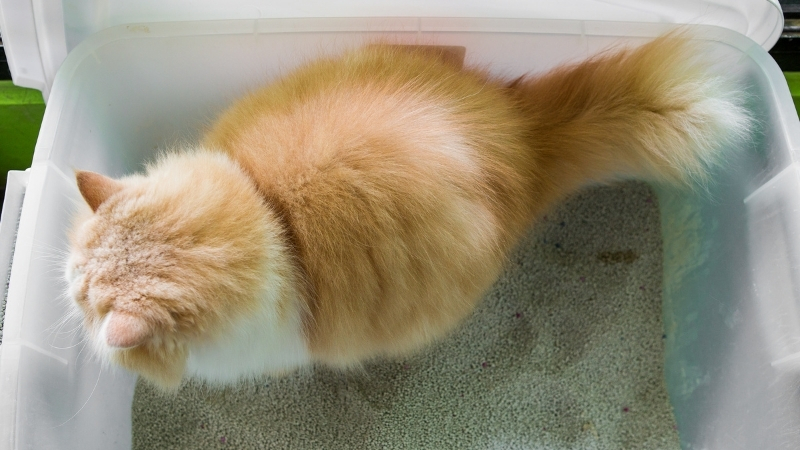
You probably noticed your cat scratching after using the litter box and wondered why. Cats bury their poop mainly because of instinct: they hide their scent to avoid predators and to follow social rules learned from wild ancestors.
Sometimes the behavior changes because of health, stress, or litter-box problems. The rest of this post will explain the top reasons for burying or not burying, and simple steps you can try if you want to encourage the behavior.
Why Cats Bury Their Poop: Top Reasons
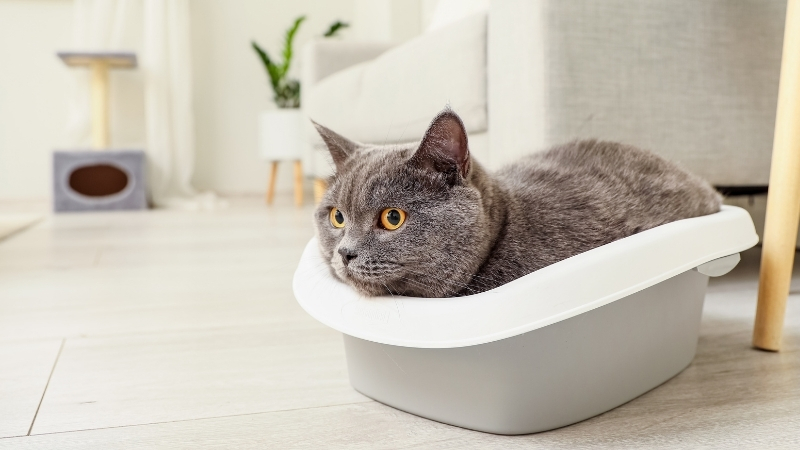
While the core reason is rooted in survival, the behavior manifests in modern cats for a few key interconnected reasons:
Survival Instinct
This remains the number one driver. While your indoor cat faces no tangible threat from predators and other cats nowadays, the instinct to hide their presence from predators and avoid attracting unwanted attention remains potent. Burying their feces is essentially erasing their trail. It’s a security measure for them.
Hygienic Living Space
Cats prefer a clean environment. Leaving feces exposed goes against their instinct for neatness. Burying their poop is how cats attempt to control odors and maintain a more comfortable and hygienic living space. That’s why dirty cat litter boxes are often rejected by cats — if the litter box is already soiled, they lose the motivation to bury their waste.
Social Signaling
In the complex world of feline communication, scent is a rich language. The choice to bury or not is a key social signal. In a multi-cat household, a cat that meticulously buries their waste is often sending a deferential message: “I am not a threat.” Conversely, dominant cats or those feeling territorially secure may choose not to cover their poop, leaving it as a marker to mark their territory. This is more common among unneutered males but can occur in any confident cat.
Stress Relief
The ritual itself can be comforting. The act of digging and covering can function as a stress-relief activity, comparable to scratching posts. By redistributing litter, cats assert subtle control over their domain, which can be emotionally comforting for them.
Are Cats the Only Animal That Buries Their Poop?
While cats are the most famous practitioners of waste burial, they are certainly not the only animals to do so. In the wild, this behavior is seen in several species, though the motivations vary.
- Rabbits and Rodents: Some small mammals that are low on the food chain bury their waste to avoid attracting predators.
- Great Apes: Some research has shown that chimpanzees and other primates may move or cover waste. This is often more about maintaining the hygiene of their sleeping or eating areas.
- Armadillos and Woodchucks: These burrowing animals often incorporate their waste into the soil or keep it in specific “latrine” chambers within their tunnels to keep their living spaces clean.
Do dogs bury their feces? In short: no. Dogs are pack animals descended from wolves. In wolf pack dynamics, marking territory is crucial for communication and establishing hierarchy. Wolves do not hide their presence; they actively announce it to warn other packs to stay away. In contrast, felines (except lions) are largely solitary hunters that evolved to prioritize stealth, leading to the feces-burying instinct we observe in cats today.
Is Burying Poop Behavior Good or Bad?
The answer isn’t black and white. It depends on context.
Generally, cats bury their poop as a standard, healthy expression of their instinct. It’s “good” in the sense that it indicates a cat feels secure enough and is content with their litter box setup.
However, it can be a concern if it becomes excessive or anxious—a cat spending minutes scratching obsessively at walls may be exhibiting stress, not just cleanliness.
More notably, a lack of burying is only “bad” if it represents a sudden change. A cat that suddenly stops burying is often sending a clear signal. This change can point to medical issues like arthritis causing paw discomfort, or new stress in their environment. Any significant change in behavior deserves attention and may require the assistance of a veterinarian or a certified cat behavior consultant.
Why Some Cats Do Not Bury Their Poop
If the instinct is so strong, why do some felines leave their deposits in the open? Here are the common reasons:
- Personality & Dominance: A confident, dominant cat may feel no need to hide. They may use feces to mark territory and assert ownership.
- Litter Box Dissatisfaction: The litter box itself can be the issue. If it’s too small, too dirty, or has a cover that the cat dislikes, they may choose to do the bare minimum—use it but not engage.
- Medical Problems: Pain is a major factor. Arthritis, injury, or digestive pain can make the act of squatting and scratching uncomfortable. A senior cat may stop burying due to such discomfort.
- Early Learning Gaps: Kittens separated from their mother may miss out on learning proper litter box habits from her.
- Social Dynamics: In homes with multiple cats, tension can alter behavior. If another cat ambushes them at the box, they may leave hastily. Resource guarding can also cause cats to frequently leave their feces exposed as a territorial marker when they feel insecure.
How to Encourage Your Cat to Bury Its Poop
If your cat’s lack of covering is problematic, you can try these steps to encourage your cat and support their instinct:
1. Prioritize Health: Always rule out medical issues first with a veterinarian, especially for any sudden change.
2. Optimize the Litter Box Setup:
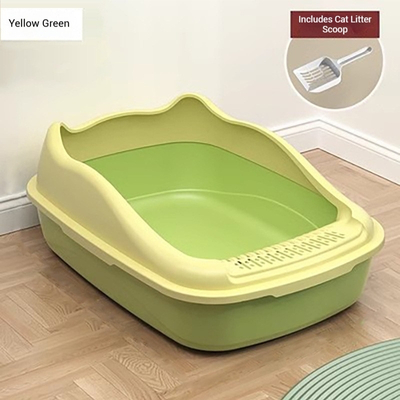
- Cleanliness: Be sure to clean the litter box regularly. Scoop daily and replace the litter periodically.
- Number & Size: Provide ample resources. The rule is one litter box per cat, plus one extra. Ensure each box is large and uncovered.
- Litter Choice: Most cats prefer a fine, unscented clumping litter. Offer a test to find their preference.
- Location: Place litter boxes in quiet, low-traffic, accessible areas to reduce stress during use.
3. Address Environmental Stress: Use pheromone diffusers, ensure plenty of vertical space and hiding spots, and in multi-cat homes, separate key resources (food, water, boxes) to reduce competition.
4. Demonstrate Gently: After your cat goes, use a scoop to quietly cover the waste in front of them. This can sometimes trigger their own instinct to finish the job.
5. Never Punish: Negative reactions will only create anxiety and cause your cat to avoid using their litter box altogether, leading to accidents outside the box.
FAQs
What is a red flag in cats?
A sudden change in normal behavior. Watch for not using the litter box, constant hiding, new aggression, excessive meowing, or poor grooming. It often signals pain, illness, or severe stress.
Do wild cats bury their poop?
Smaller wild cats, vulnerable to predators, typically do bury their feces to hide. Larger apex predators, like lions, do not. Our domesticated cats inherit the smaller wildcat’s instinct.
My cat scratches the wall instead of burying. Why?
This is often a misplaced burying instinct or a sign of dissatisfaction with the litter. They might be trying to “cover” the scent on a larger scale or are frustrated by the box conditions.
Is one litter box enough for two cats?
No. Crowding and territorial stress over a shared box are major causes of issues. Provide each cat with its own litter box, plus one extra as a backup, to promote harmony and encourage good habits.
How far can a cat smell their litter box?
Very far. They can likely detect it from several houses away outdoors. Indoors, they can find it from any room.


 EN
EN  AR
AR  DE
DE  ES
ES  NL
NL  FR
FR  TR
TR  PL
PL  SV
SV  EL
EL  IT
IT