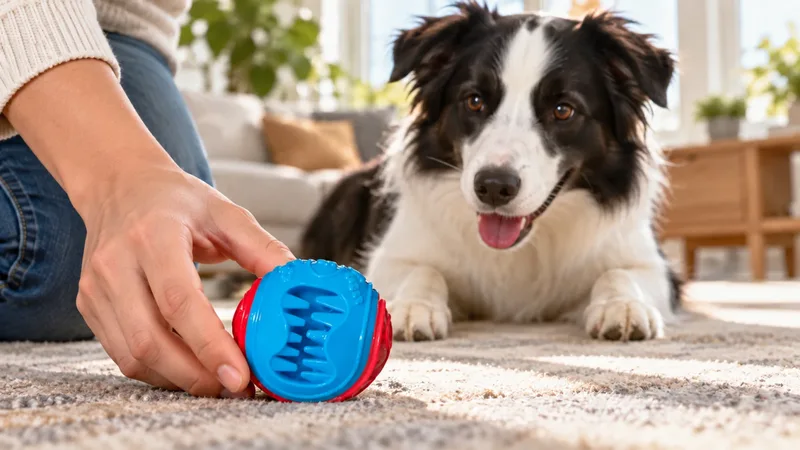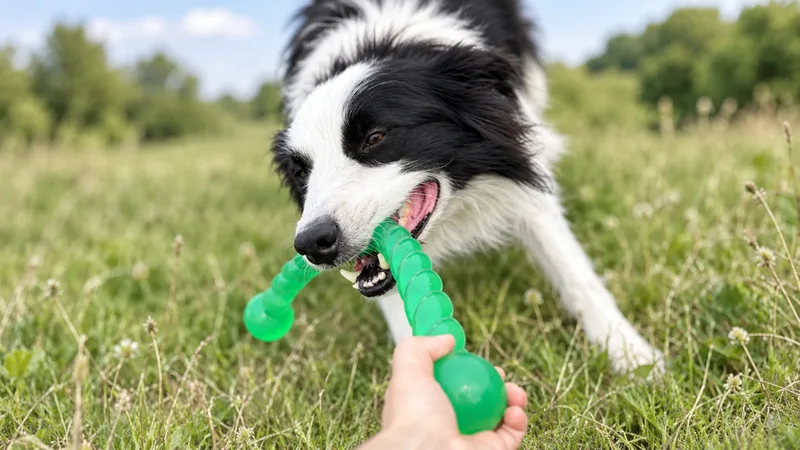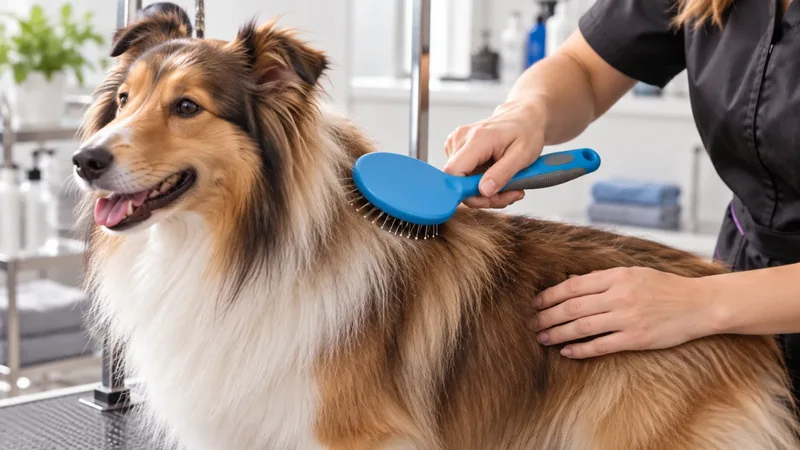
Pantone color matching gives pet brands a shared language for product development, but a Pantone number alone does not guarantee identical appearance across every material. Plastic, TPR, natural rubber, silicone, textile, coating and printed packaging reflect light differently. Texture, thickness and manufacturing conditions can also change how a color looks.
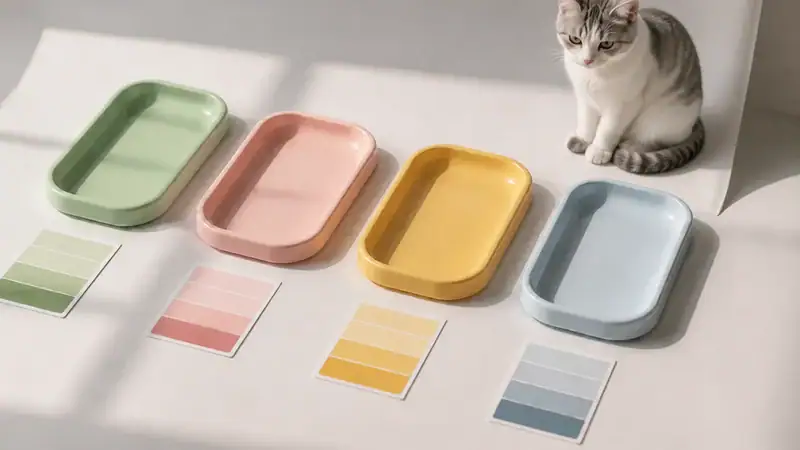
A reliable OEM color process converts the brand’s reference into approved physical standards for each visible component. This guide explains how sourcing teams can specify, sample and control custom colors from the first RFQ through repeat production.
Start with the exact color reference
Do not send only a screenshot, website color or RGB value. Screens display color differently, and brightness settings introduce further variation. Provide the complete Pantone reference and identify the relevant Pantone system or book.
The brief should connect each color to a component:
- Main plastic body
- TPR or soft-grip area
- Silicone insert
- Natural rubber toy
- Textile or rope
- Printed logo
- Label and retail carton
Also define surface finish. A high-gloss plastic and a matte silicone may use different formulations to create a visually coordinated result.
If you have a physical brand reference—such as an approved package, color chip or existing product—send it with the digital specification. State which reference takes priority if they differ.
Why the same Pantone can look different
Color perception is affected by several variables.
Base material
A naturally translucent, milky, yellowish or dark substrate changes the pigment required to approach the target. Natural rubber may behave differently from PP or ABS. Silicone and TPR can have different optical depth even at similar nominal colors.
Surface texture and gloss
Gloss reflects light sharply and can make color appear more saturated. Matte texture scatters light and may make the same color look softer or darker. Deep patterns create highlights and shadows that change perceived uniformity.
Part thickness and translucency
Thin and thick areas can appear different when the material is not fully opaque. This is especially relevant to flexible products, transparent components and products viewed against different backgrounds.
Processing conditions
Molding temperature, curing, residence time and pigment dispersion can influence the finished result. Process stability therefore supports color consistency.
Lighting
A sample can match under one light source and appear different under another. Buyers and suppliers should agree on evaluation lighting, background and viewing conditions. Retail lighting and e-commerce photography should also be considered.
Use material-specific color samples
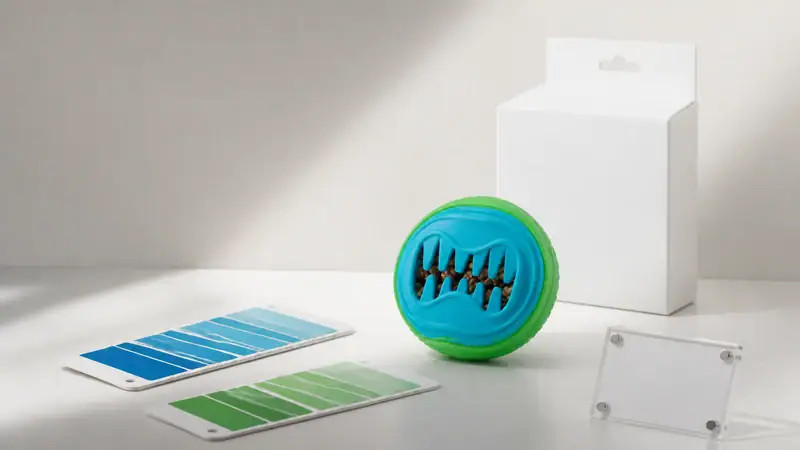
A printed Pantone chip is a target reference, not the final product standard. Request color plaques or first articles in the intended production material, finish and approximate thickness.
For a multi-material product, review all visible components together. A purple PP housing may look correct by itself but too blue beside a silicone insert. The commercial goal is often visual harmony rather than an impossible claim of identical measurement across different substrates.
When color is critical, approve several sample options rather than relying on a single attempt. Record which option is approved and retain signed physical samples with both buyer and manufacturer.
Establish a golden sample
The approved production-material sample should become the golden sample. Identify it with product code, component, material, Pantone target, date and approval status.
The golden sample supports:
- Pre-production verification
- Incoming material review
- In-process checks
- Final inspection
- Reorder consistency
- Investigation of customer complaints
Do not rely only on photographs of the sample. Cameras, editing and screens change appearance. Physical retention is essential when color is a major brand attribute.
Define tolerances and inspection methods
“Match Pantone exactly” is not an actionable mass-production standard. The brief should define how color will be evaluated and what happens when a batch sits near the acceptance boundary.
Visual evaluation may be appropriate for some products, provided lighting and comparison conditions are controlled. Instrumental measurement can support tighter programs, but measurement method, surface and geometry must be considered. Textured, curved or translucent components can be difficult to measure consistently.
The inspection agreement should identify critical components, acceptable limits, viewing distance, lighting and escalation process. It should also clarify whether slight differences between material families are intentionally approved.
Coordinate product color with logo and packaging
A private-label collection is judged as a whole. Review the product body, soft-touch areas, buttons, transparent parts, printed logo, hangtag, insert and retail carton together.
Logo color may require a separate print specification. The same ink can appear different over light and dark backgrounds. Printing, pad printing, screen printing, heat transfer, embossing and molded logos each create a different visual result. HEOU’s pet product logo printing methods guide explains these options in more detail.
Packaging may use CMYK or spot-color processes, so the packaging supplier should receive the approved brand standards. A good product match can still look inconsistent if the carton uses an uncoordinated conversion. HEOU’s pet-product packaging checklist outlines the artwork and approval inputs buyers should coordinate.
Plan colors around commercial volume
Custom color development may affect minimum order quantity, material preparation, sample time and unit cost. Buyers should ask whether the selected color uses a stock compound, a custom masterbatch or a custom silicone or rubber formulation.
For an early market test, stock colors can reduce development time and inventory risk. Once demand is validated, custom colors can strengthen brand recognition. Another practical option is to use a distinctive custom color on the most visible component while keeping hidden or low-visibility components in standard colors.
Share the forecast quantity and launch plan early so the manufacturer can recommend a commercially sensible color route.
Manage changes and reorders
Color consistency is not a one-time task. Reorders may use new raw-material batches, and suppliers or pigments may change. Maintain the approved material code, color formulation reference and golden sample.
A change-control process should identify when reapproval is required. Relevant changes include material supplier, pigment supplier, recycled-content level, finish, texture, molding location or component thickness. Even when the Pantone target remains the same, one of these changes can alter appearance.
For coordinated collections launched over several seasons, maintain a brand color library with component-specific approvals. This helps new product arrivals fit the existing range without restarting color decisions for every SKU.
Color matching with recycled materials
Recycled-content materials can offer a useful product strategy, but base-color variation may make tight matching more difficult. The achievable tolerance depends on source consistency, formulation and target color. Darker or muted colors may sometimes be more practical than very light shades.
Do not make environmental claims based only on appearance or supplier terminology. Confirm material documentation and claim requirements separately from color approval.
What to send in your RFQ
A useful color brief includes:
- Exact Pantone reference and system
- Physical reference, if available
- Component-by-component color map
- Material and finish preferences
- Logo artwork and color
- Packaging color requirements
- Target market and launch date
- Forecast volume
- Acceptable material-to-material variation
- Required sample and approval process
HEOU supports custom colors, materials, logos and packaging across distinct constructions such as dog chew toys, pet bowls, grooming tools and travel bowls and bottles.
Build a Color System Customers Recognize
Consistent color turns separate SKUs into a recognizable brand collection. Contact HEOU with your Pantone references, component list, material preferences, logo files and forecast quantity. Our OEM/ODM team can help plan a practical sample and approval process for your custom pet products.
Frequently asked questions
Can every material match the same Pantone exactly?
Not always. Different substrates and finishes can create visible variation. Approve a commercially acceptable physical standard for each component.
Is a digital Pantone image enough for production?
No. It is useful for direction, but final approval should use a physical sample in the intended material, finish and manufacturing process.
Will a reorder automatically match the first production batch?
It should be controlled against retained standards, but raw materials and processing can vary. Maintain golden samples, formulation references and change-control requirements.