Sourcing a custom grooming brush starts with the coat type and grooming task, not the logo. A slicker brush, pin brush and bathing brush serve different needs. Pet brands and importers get better quotations when they define the intended user, specify the working components and set sample acceptance criteria before discussing bulk price.
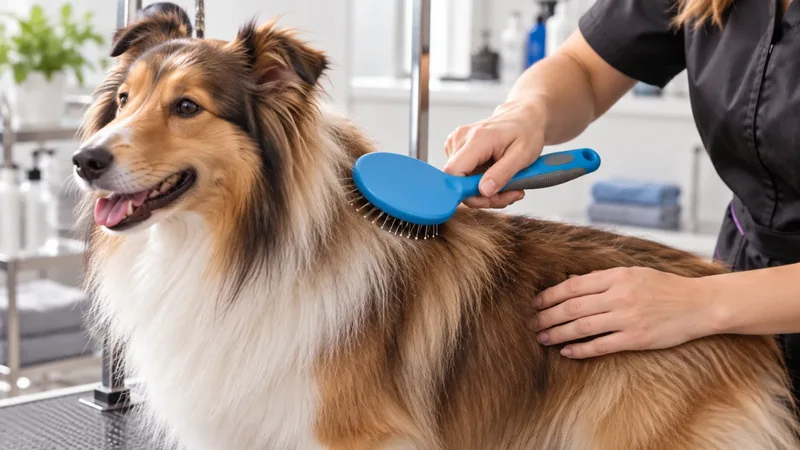
Start with the grooming task
Decide what the brush should do: remove loose hair, work through tangles, smooth a coat or massage during bathing. Then identify the target animal, size and coat type. That choice guides head dimensions, pin length, spacing, handle angle and instructions.
For example, slicker brushes are commonly used on medium, long, wire or curly coats, while rubber brushes are commonly suited to short coats. The American Kennel Club’s guide to brush types explains how coat type influences tool choice. A broad “for all coats” claim should be supported by testing across the uses named in the claim.
Choose the right customization route
An existing brush platform may allow changes to color, logo and packaging without a fully new tool. This can be a practical route when speed and a lower development investment matter most. Confirm which components can actually be changed and whether the desired branding method affects minimum order quantity.
A new brush design can create a distinctive head, handle, pin layout or mechanism. It usually requires a fuller specification, sampling and possibly new tooling. Ask the supplier which requested features can be achieved with an existing mold or interchangeable component and which require a new mold.
HEOU’s grooming and bathing range includes brushes, combs, bathing tools, hair removers and spray-brush formats. These can serve as references for a private-label line or a more customized concept.
Specify the parts that determine performance
A reference photo does not describe everything the factory needs to build a consistent brush. For a pin or bristle brush, define the head size, pin or bristle material, length, density, spacing, tip finish, pad construction and retention method. For a handle, define dimensions, material, weight target, surface texture, logo position and the grip conditions it must handle.
For a self-cleaning brush, describe the button or slider action, hair-release plate and return behavior. A mechanism should be checked for smooth operation after repeated use, not just in a single showroom demonstration. HEOU’s self-cleaning brush buyer guide covers that mechanism in detail.
For a spray model, specify the reservoir, filling and cleaning method, power supply if applicable, and intended water exposure. Check what the product actually emits before calling it a “steam brush”: some products described that way produce a cool mist rather than heated steam. Packaging should match the verified function.
Send an RFQ that can be quoted accurately
Provide every prospective supplier with the same brief:
- Use: target pet, size, coat type and grooming task.
- Construction: drawings or reference images; head, pins or bristles, handle and mechanism details.
- Branding: color references, logo artwork, packaging format and required labels.
- Commercial plan: first-order quantity, annual forecast, target market, price position and desired launch date.
- Approval: sample stages, material documentation, applicable tests and inspection criteria.
Ask for separate figures for tooling, samples, unit price, packaging and testing. A low unit quote may rely on a different pin material, lighter handle, simpler mechanism or less protective package. HEOU’s pet product RFQ checklist provides a broader template for supplier enquiries.
Evaluate a production-intent sample
Product photos cannot show whether the brush feels balanced, reaches the intended coat or is comfortable to use. Test a sample made with the proposed materials and construction. Record the sample version, then inspect:
- Pin alignment, tip smoothness and retention
- Sharp edges, loose components and surface finish
- Handle comfort and grip, including wet use if claimed
- Hair collection and removal on the target coat
- Button movement and return action for self-cleaning models
- Rinsing, drying and reservoir cleaning where relevant
Run the brush through its intended use with appropriate supervision. If the target range spans several coat types, test each one named in the packaging. For powered products, add checks appropriate to their electronics, water exposure and destination market. Ask which documents and reports apply to the finished product, rather than assuming a report for a similar item covers a changed design.
Retain an approved sample and written specification for production comparison. If the pin material, head shape or mechanism changes, review a revised sample. HEOU’s sample evaluation guide provides a framework for documenting these decisions.
Confirm quality and packaging before the order
Agree on incoming material checks, assembly checks and final inspection points. These may include pin retention, tip finish, mechanism function, appearance and package condition. State how defects will be recorded and resolved.
Packaging should protect pins and moving parts during shipping. It should also tell retailers and pet owners which coat type and grooming task the brush is intended for, without promising unsupported health or universal performance benefits. A coordinated product line can use consistent branding while making each brush’s job clear.
Frequently asked questions
Can I private-label an existing grooming brush?
Often, yes. Available options vary by model. Confirm logo position, colors, packaging choices, minimum quantity and whether any requested change requires new tooling.
When is a new mold worth considering?
Consider custom tooling when a unique handle, head or mechanism is central to the product proposition and expected demand supports the development investment.
What must be approved before mass production?
Approve the production-intent sample, final component specification, branding artwork, packaging, relevant test requirements and inspection criteria.
Source a brush built for its intended coat
HEOU supports OEM and ODM grooming products from design and sampling through packaging and production. Contact HEOU with your target coat type, reference images, required features, branding files, first-order quantity and destination market to discuss an existing-platform modification or a custom design.