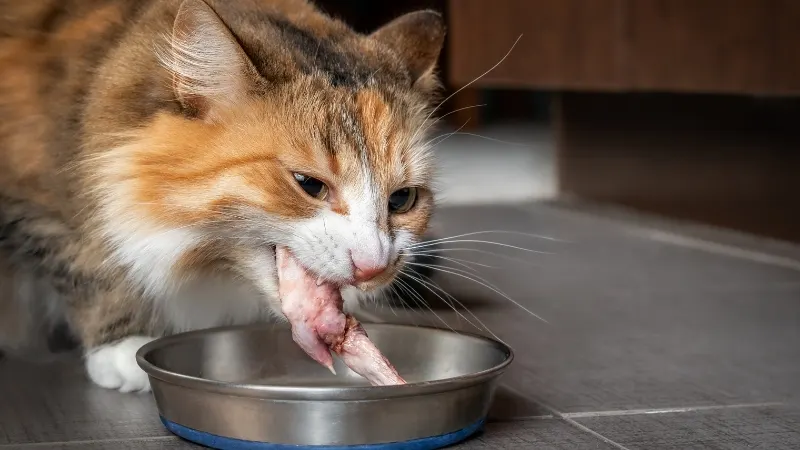
If your cat has just eaten a chicken bone, you are likely feeling worried and unsure of what to do next. This guide will walk you through exactly why chicken bones are dangerous, how to distinguish between a minor incident and an emergency, and the step-by-step actions you must take immediately.
The Big Distinction: Raw vs. Cooked
Before diving into the dangers, it is crucial to understand that not all bones are created equal. The level of danger usually depends on whether the chicken bone was raw or cooked.
Raw Bones
In the wild, cats are obligate carnivores. Their ancestors ate birds, rodents, and lizards, bones and all. Raw chicken bones are generally flexible and pliable. When a cat chews on a raw bone, it tends to crush rather than snap. While there is still a risk of choking or bacterial infection (like Salmonella), raw bones are generally less life-threatening than their cooked counterparts.
Cooked Bones
This is where the real danger lies. The cooking process changes the collagen structure of the bone. It sucks out the moisture and makes the bone hard, brittle, and dry. When a cat bites down on a cooked chicken bone, it doesn’t just crush—it splinters. These splinters can be as sharp as needles or shards of glass.
The Dangers of Cats Eating Chicken Bones
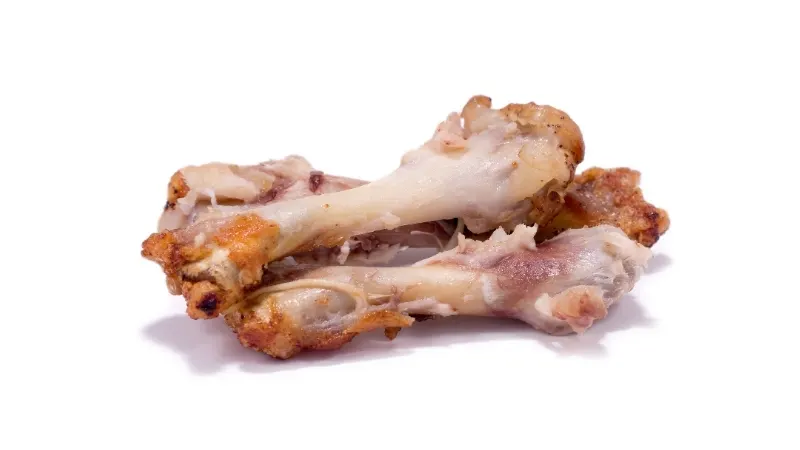
Why exactly are vets so concerned about chicken bones? It isn’t just about the bone sitting in the stomach; it is about the journey the bone takes through the digestive tract. Here are the primary risks involved.
Lacerations and Perforation
This is the most severe risk. As mentioned, cooked chicken bones splinter into sharp shards. As these shards travel down the esophagus, into the stomach, and through the intestines, they can slice the delicate tissue lining the digestive tract.
- Mouth and Throat: The bone can cut the tongue, gums, or the roof of the mouth.
- Esophagus: If a sharp edge catches the esophagus, it can cause a tear.
- Peritonitis: If a bone shard punctures the stomach or intestine wall, it allows bacteria and digestive fluids to leak into the abdominal cavity. This causes peritonitis, a severe, life-threatening infection that requires emergency surgery.
Choking and Obstruction
Chicken bones, especially things like wing tips or rib bones, are often the perfect size to get lodged in a cat’s throat. If the bone is inhaled rather than swallowed, it can block the airway. Furthermore, even if the bone makes it to the stomach, it might be too large to pass through the intestines. This causes a gastrointestinal blockage. An obstruction stops food and water from moving through the body, leading to severe dehydration, tissue death in the intestines, and eventually fatal toxicity.
Constipation and Impaction
Even if the bone is ground up by the teeth, a large amount of bone fragment can cement together in the colon. This results in severe constipation, known as impaction. The cat may experience extreme pain while trying to defecate and may require an enema or manual removal by a veterinarian.
Steps to Take if Your Cat Ate a Chicken Bone
Panicking won’t help, but acting fast will. Here is exactly what you need to do.
Step 1: Stay Calm and Assess the Situation
Do not scream or chase the cat immediately, as this might startle them and cause them to swallow a bone whole that they were currently chewing. Approach them calmly.
- Remove the remains: Take away any remaining chicken or bones immediately so they cannot eat more.
- Investigate: Try to figure out how much they ate. Was it a whole wing? A small tip? A softer cartilage piece? Knowing the size and quantity will help your veterinarian give the best advice.
Step 2: Check for Signs of Choking
Watch your cat closely for the first few minutes. If the bone is stuck in the throat or airway, you will see immediate signs:
- Open-mouth breathing or gasping.
- Frantic pawing at the mouth.
- Excessive drooling.
- Blue-tinged gums or tongue (indicating lack of oxygen).
If your cat is choking: You may need to perform a modified Heimlich maneuver for cats, but only if you know how. If you can see the bone clearly in the mouth and can grab it easily without being bitten, remove it. Do not blindly stick your finger down their throat, as you may push the bone further down or tear the tissue. If they are choking, rush to the nearest emergency animal hospital immediately.
Step 3: Call Your Veterinarian
Even if your cat seems perfectly fine, contact your veterinarian. Do not wait for symptoms to appear. Tell the vet:
- What was eaten (thigh bone, rib, wing).
- How long ago did it happen.
- The weight and size of your cat.
- Whether the bone was raw or cooked.
The vet will triage the situation. They may tell you to come in for X-rays, or they may tell you to monitor the cat at home. Follow their advice strictly.
Step 4: DO NOT Induce Vomiting
This is the most critical rule. If your cat ate something toxic (like chocolate), inducing vomiting is often the protocol. This is NOT true for sharp bones. If you force your cat to vomit, those sharp bone shards have to travel back up the esophagus. This doubles the risk of tearing the throat or getting the bone stuck again.
Once the bone is down, the safest way out is usually through the other end, unless a vet decides surgical removal is necessary.
Step 5: The “Padding” Method (If Approved by Vet)
Many veterinarians will recommend feeding your cat something bulky to help cushion the bone shards as they travel through the intestines.
- Bread: A small amount of moist bread.
- Pumpkin: Pureed pumpkin (not pie filling).
- Wet Food: A heavy meal of their regular wet food.
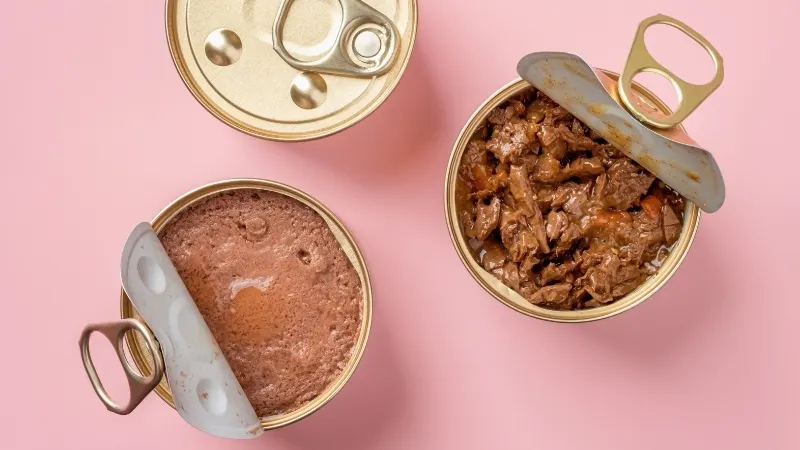
The goal is to create a soft “pillow” around the sharp edges of the bone in the stomach, helping it pass safely through the intestines. Always ask your vet before feeding your cat anything specific after a bone incident.
Monitoring Your Cat
If your vet suggests monitoring your cat at home, the next 24 to 48 hours are crucial. You need to become a detective. You are looking for signs that the bone is causing an internal problem.
Watch for any unusual behavior:
- Vomiting: especially if it is repeated, projectile, or contains blood.
- Stool Changes: Watch for black, tarry stools (which indicate digested blood) or bright red blood. Also, watch for an inability to poop.
- Lethargy: If your cat is hiding, sleeping more than usual, or refusing to play.
- Loss of Appetite: Refusing to eat is a major sign of pain or obstruction.
- Abdominal Pain: If your cat growls, hisses, or pulls away when you touch their belly, or if they are sitting in a “hunched up” or “praying” position.
If you see any of these signs, the “wait and see” period is over. Go to the veterinarian immediately.
What Will the Vet Do?
If you go to the veterinary clinic, the vet will likely start with a physical exam to feel the abdomen for pain or masses.
- X-Rays: Bones show up clearly on X-rays. This allows the vet to see exactly where the bone is and if it looks like it will pass.
- Endoscopy: If the bone is still in the stomach, they may be able to put a camera down the throat and pull the bone out with a grabber tool, avoiding surgery.
- Surgery: In severe cases where the intestine is punctured or blocked, emergency abdominal surgery will be required to remove the bone and repair the damage.
Prevention: How to Stop It Before It Starts
The best strategy is always prevention. Cats are persistent and clever when they smell meat, so you have to be one step ahead of them. Here are the most effective ways to bone-proof your home.
Secure Your Trash Cans
The number one source of illicit chicken bones is the kitchen trash can. The smell of discarded meat is irresistible to a cat.
- Use Lidded Bins: Invest in a trash can with a heavy lid, or better yet, a locking mechanism. A simple pedal bin is often easy for a clever cat to pry open.
- Child Locks: If you have a cabinet under the sink where the trash is kept, install simple child-proof latches. If a toddler can’t get in, your cat probably can’t either.
The “Freezer Trick” for Disposal
Sometimes, putting bones in the trash isn’t enough because the smell still wafts out, driving your cat crazy.
- Freeze the Bones: Instead of throwing bones directly into the bin, put them in a ziplock bag or an old container and place them in the freezer. Keep them there until trash collection day. This stops the smell from permeating the kitchen and removes the temptation entirely.
Clear the Table Immediately
We all like to relax after a meal, but leaving plates with leftover wings or drumsticks on the table or counter is asking for trouble. “Counter surfing” is a common cat behavior.
- Clean as you go: Make it a habit to scrape plates directly into the trash (or your freezer bag) the moment you are done eating. Don’t leave them soaking in the sink with bones on them, as cats are not afraid of a little water if it means getting a treat.
Provide Safe Alternatives
Sometimes cats steal food because they are bored or seeking a different texture.
- Cat Grass: Growing cat grass gives them something safe to chew on.
- Dental Treats: Offer vet-approved dental chews that satisfy their urge to gnaw without the risk of splintering.
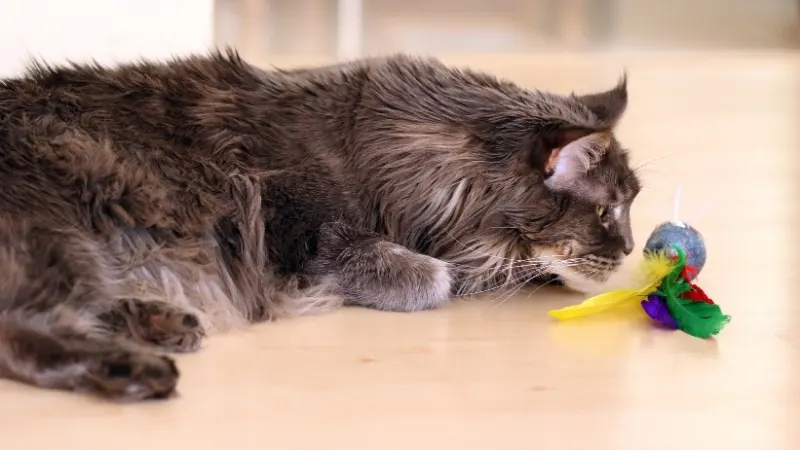
- Interactive Cat Toys: Keep them mentally stimulated and distracted from food with puzzle toys or feather wands.
Frequently Asked Questions
Why does my cat steal bones in the first place?
Cats are curious creatures, and the smell of meat is irresistible to them. They don’t understand the danger; they only understand that it smells like food. This is why prevention is so important.
My cat just swallowed a chicken bone whole. Should I be worried?
Yes, be cautious. Swallowing a bone whole raises the risk of internal blockage, even if mouth splintering is less likely. Stay calm, check for choking, and seek expert advice immediately.
Can I just wait for the bone to pass naturally?
Never assume it is safe. While many cats pass bones without issue, cooked bones can splinter, causing fatal punctures or blockages. Call your veterinarian immediately.