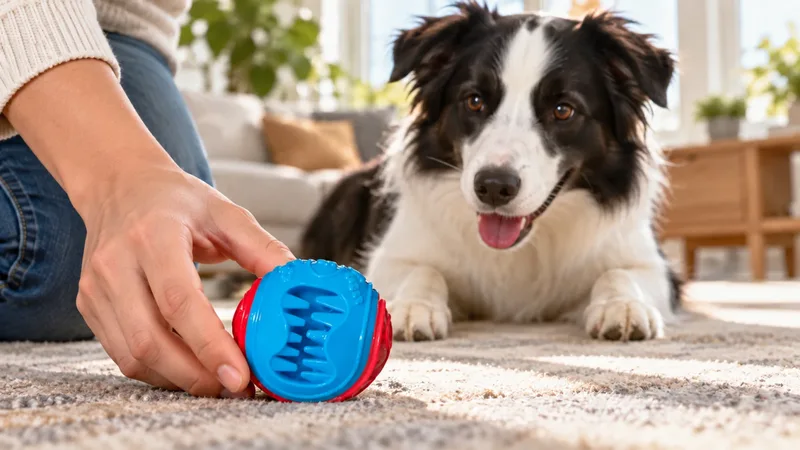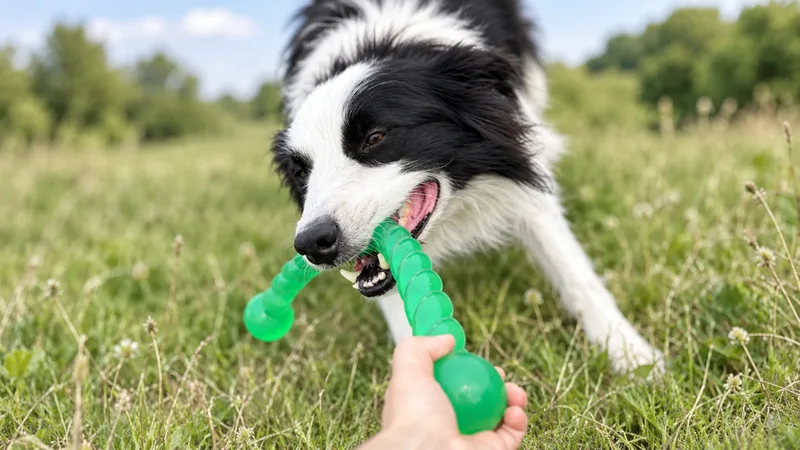
Smart pet toy development starts with a clear play experience, not a list of electronic features. Before requesting a quote, define the target animal, how the toy responds during play, how its moving and powered parts stay contained, and what the owner must do to operate and maintain it. Those decisions shape the prototype, test plan, cost, and packaging.
Define the Play Pattern Before the Electronics
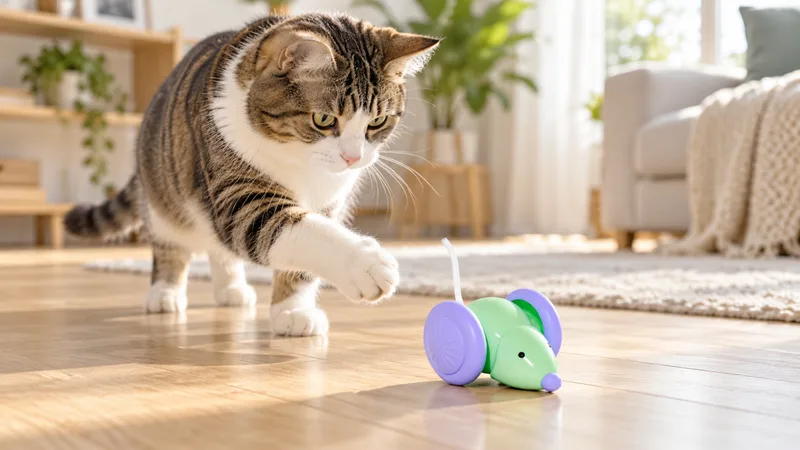
“Interactive” can mean very different things: a rolling toy triggered by touch, a teaser that moves at intervals, or a puzzle that reacts when a cat approaches. Specify the behavior in observable terms. What starts a session? What does the toy do if it meets a wall, gets trapped under furniture, or is left untouched? How does play stop?
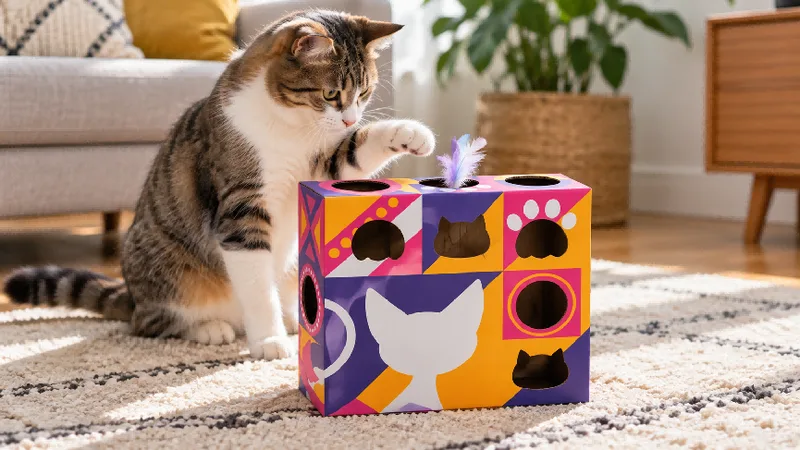
For example, HEOU lists a USB-charged cat toy car with obstacle avoidance and a battery-powered smart cat puzzle box with a sensor-triggered play pattern. These are different product briefs, even though both sit within the smart pet toy category. Use existing products as references for the interaction you want, then document every change you need for your brand.
A useful first-page brief states the pet species and size, intended play environment, owner supervision expectations, session length, activation method, motion or sound behavior, and the reason a customer would choose this toy over a passive one.
Design Around the Pet and the Home
Map the parts a pet can bite, bat, pull, or trap. For a moving toy, inspect wheels, gaps, exposed cords, feather attachments, and seams. Consider whether hair or debris can jam the mechanism, whether the toy can be cleaned as instructed, and whether a damaged housing could expose a battery or circuit board.
Agree on a risk-based test plan for the actual design. It may include attachment pull and torque checks, drops, repeated activation, jam recovery, battery-compartment retention, charging checks, and inspection after use simulation. Record the sample quantity, method, conditions, acceptance criteria, and failure mode. HEOU’s pet toy small-parts testing guide and sample evaluation guide offer broader checklists. No material label or single pass result proves a finished smart toy suitable for every pet or use case.
Choose Power and Features as Commercial Decisions
Disposable batteries, a rechargeable battery, and an external power source each change the customer experience and the landed cost. Decide whether batteries or a charging cable are included, how the battery compartment opens, what the low-power behavior is, and whether the product can be operated while charging. Test runtime under a stated play cycle rather than advertising an unqualified “hours of play” claim.
Every additional feature can introduce a part, an assembly step, or a failure mode. Price the complete product, including electronics, enclosure, assembly, packaging, instructions, testing, and after-sales support. If a rechargeable lithium battery is used, ask for the battery type and transport documentation early; IATA’s lithium battery guidance explains the UN 38.3 test-summary requirement for applicable battery shipments. Your freight partner should confirm the current shipping classification and packing rules for the final configuration.
Set the Compliance Plan for Each Sales Market
Tell the manufacturer where the toy will be sold and what claims will appear on the packaging. The compliance path depends on the final product, its electronics, radio functions if any, battery, and market. For example, the European Commission’s RoHS guidance covers restrictions on substances in electrical and electronic equipment. Ask a qualified laboratory or compliance specialist to identify applicable requirements and test the final construction; a component report or another SKU’s certificate is not a substitute for a product-specific review. A pet toy should not be assumed to qualify under rules intended for children’s toys simply because both are called “toys.”
Create a document list before sampling: bill of materials, battery details, circuit and charger specifications, labeling artwork, instructions, relevant supplier declarations, and the agreed test plan. This makes changes traceable when a motor, cell, plastic grade, or supplier changes.
Approve a Repeatable Sample, Then Control Production
Do not approve a smart toy because one prototype runs correctly once. Test several samples through repeated start-stop cycles and realistic play conditions. Check response consistency, noise, heat, charging, shutdown, cleaning, and damage after impact. Ask who owns firmware settings and whether production units can be checked against the approved behavior.
Keep a signed “golden sample” and a revision-controlled specification. Production checks should cover critical dimensions, parts and supplier identity, assembly integrity, electrical function, charging or battery operation, appearance, and packed accessories. Decide what happens to units that fail, including rework and retesting. HEOU’s product development process explains how the brief, feasibility review, sampling, and production stages fit together.
Send an RFQ That Can Produce a Useful Quote
Include these inputs when contacting an OEM/ODM partner:
|
Input |
What to specify |
|---|---|
|
Product concept |
Reference photos or drawing, target pet, intended use, and key play behavior |
|
Electronics |
Activation method, movement or sound, power source, charging, and desired runtime test conditions |
|
Physical design |
Approximate size, accessible attachments, cleaning method, color, and logo placement |
|
Commercial plan |
Target market, sales channel, forecast quantity, target cost range, and launch window |
|
Deliverables |
Packaging, instructions, sample stages, test reports, and ownership of custom tooling or firmware |
Ask the supplier to identify which elements can use an existing platform and which require new engineering or tooling. Request separate cost and timing assumptions for both routes. That makes feature tradeoffs visible before you pay for a mold or commit to a launch date.
Build a Smart Toy Brief With HEOU
HEOU supports OEM/ODM pet product development, including design, mold development, sampling, and private-label packaging. Contact HEOU with a reference design or sketch, the target pet and market, expected quantity, desired play behavior, and required customization. The team can review the concept and discuss a suitable development route.
Frequently Asked Questions
What should a brand test first in a smart pet toy?
Start with the complete play loop and the highest-risk interfaces: activation, motion, exposed attachments, enclosure, power source, and shutdown. Write acceptance criteria before evaluating samples.
Is an existing smart toy faster to customize than a new design?
Often, but it depends on the requested changes. Color, branding, packaging, structural changes, and new electronics have different tooling, verification, and cost implications. Ask for a feasibility review of each proposed change.
What is the most common quoting gap?
An undefined play behavior. “Smart toy with long battery life” does not specify a motion pattern, duty cycle, battery type, test condition, or acceptable runtime. Those details are needed for a comparable quote and sample.